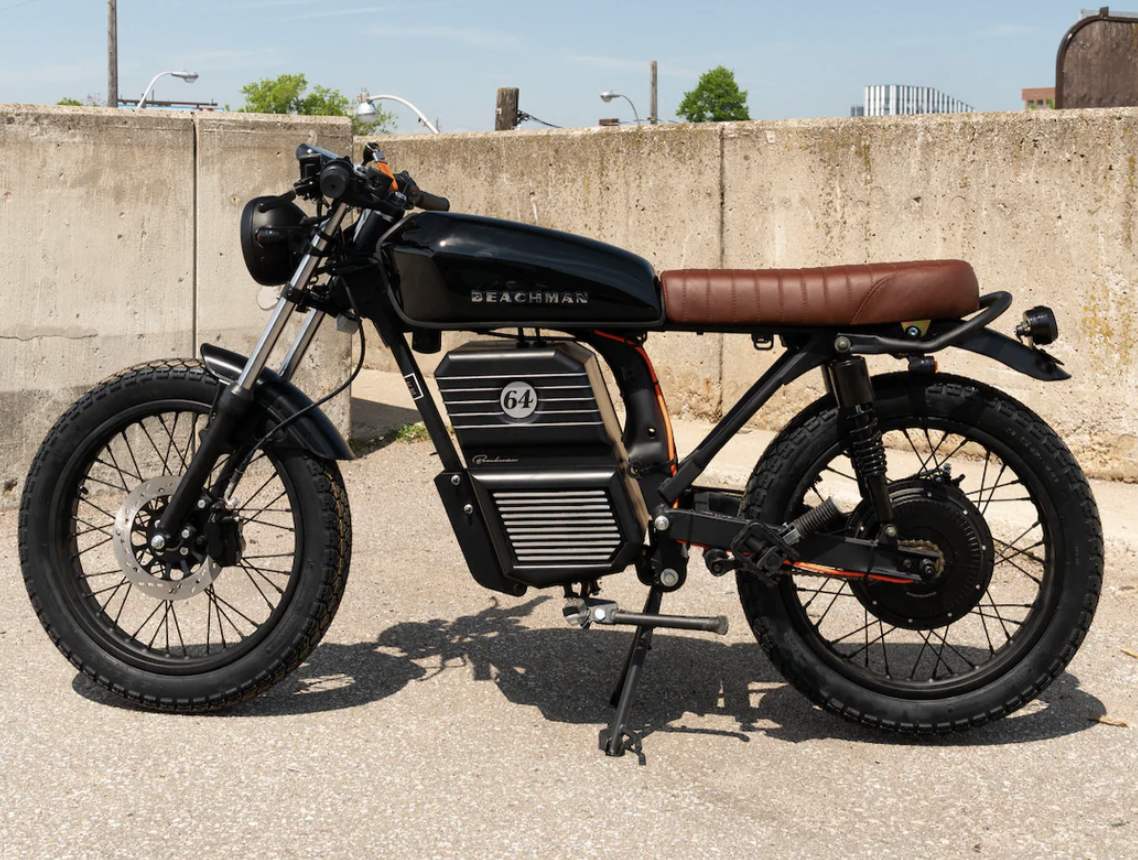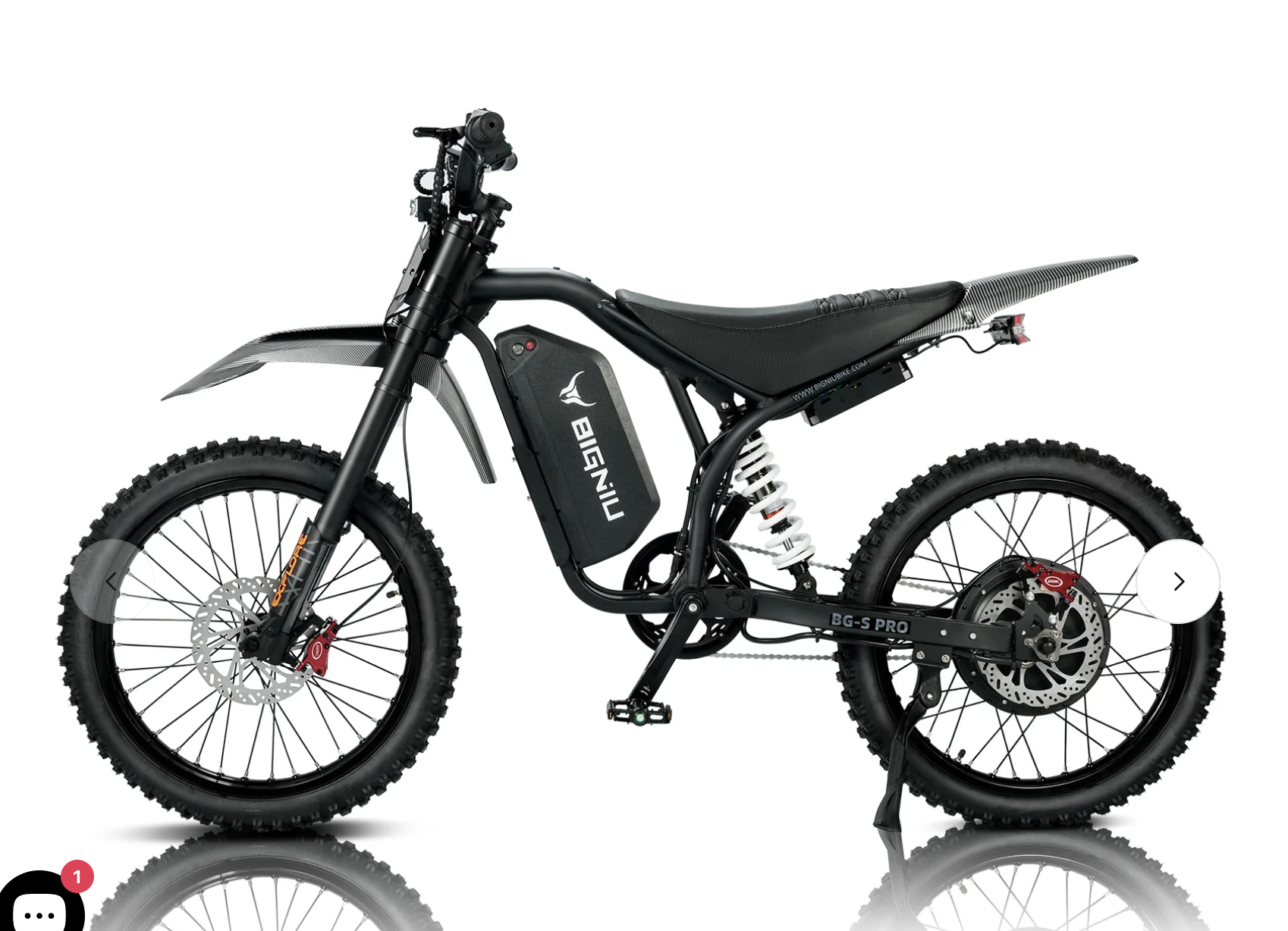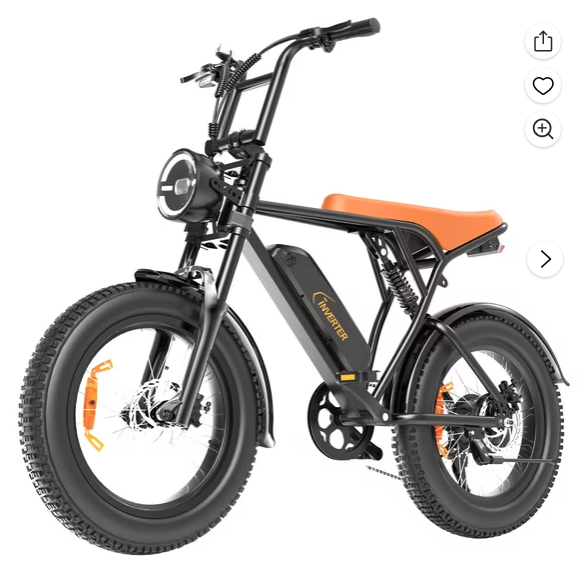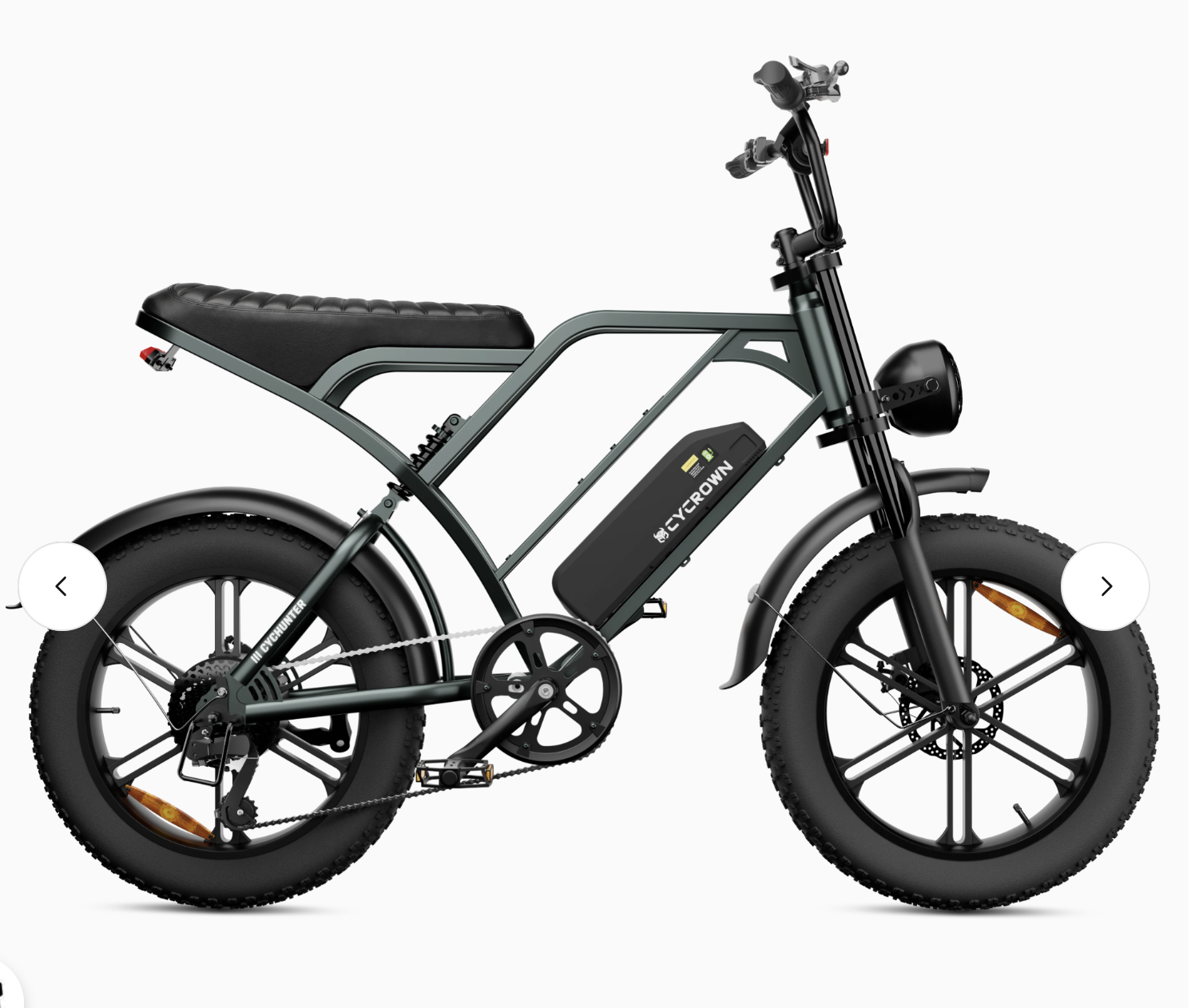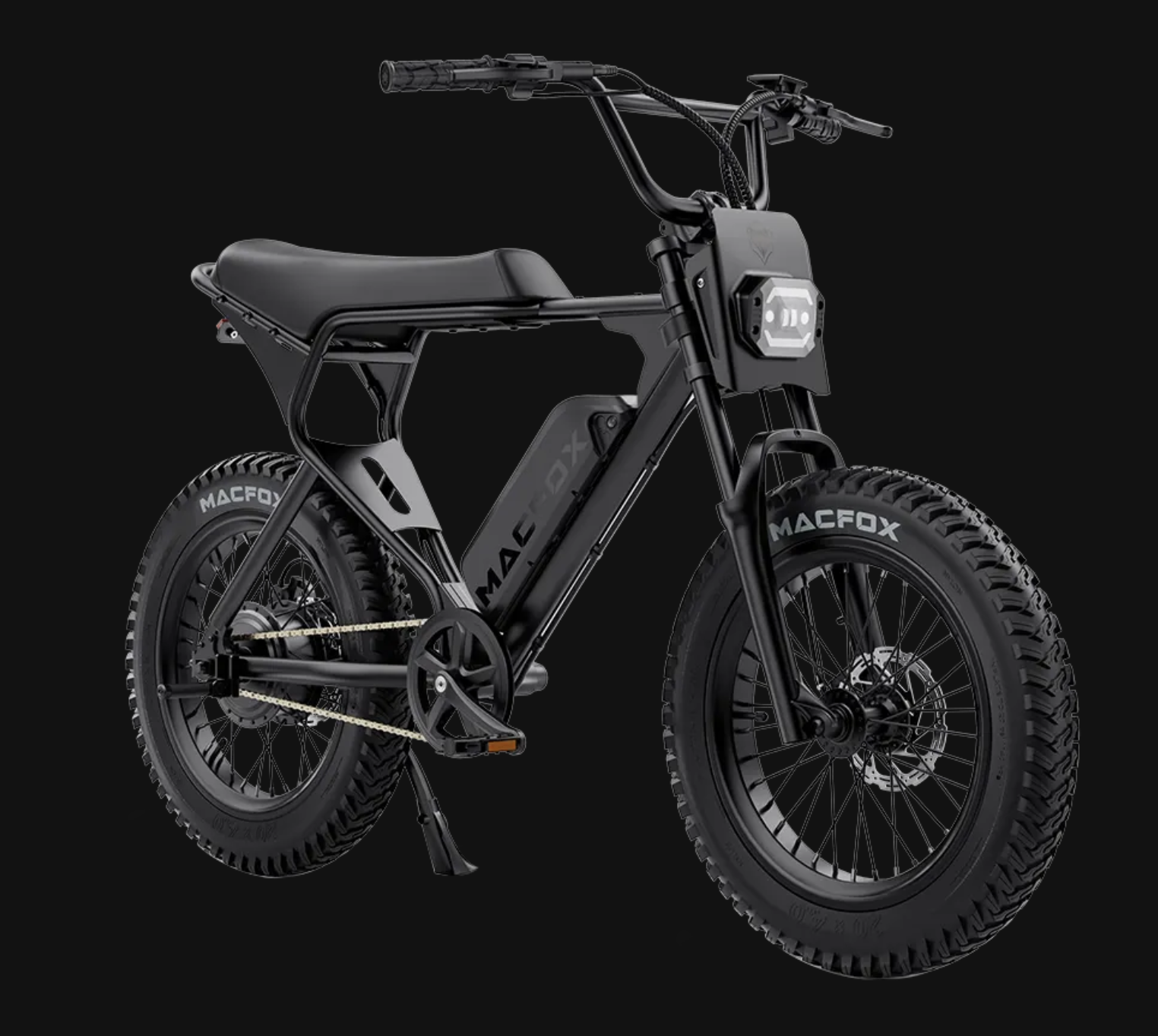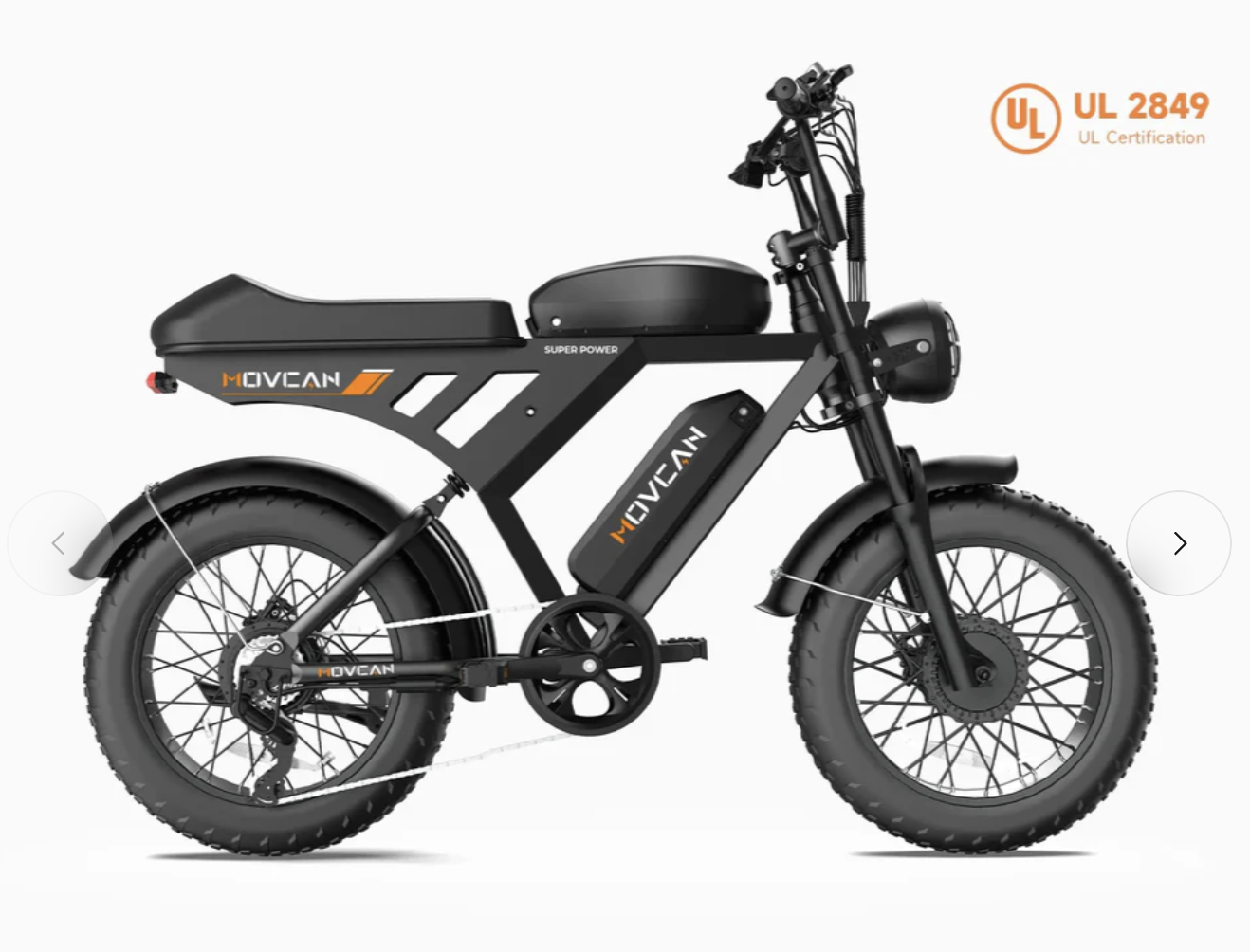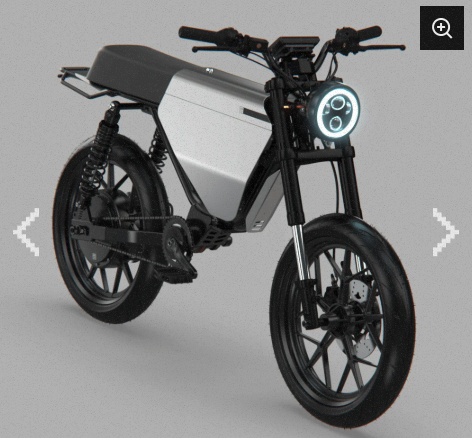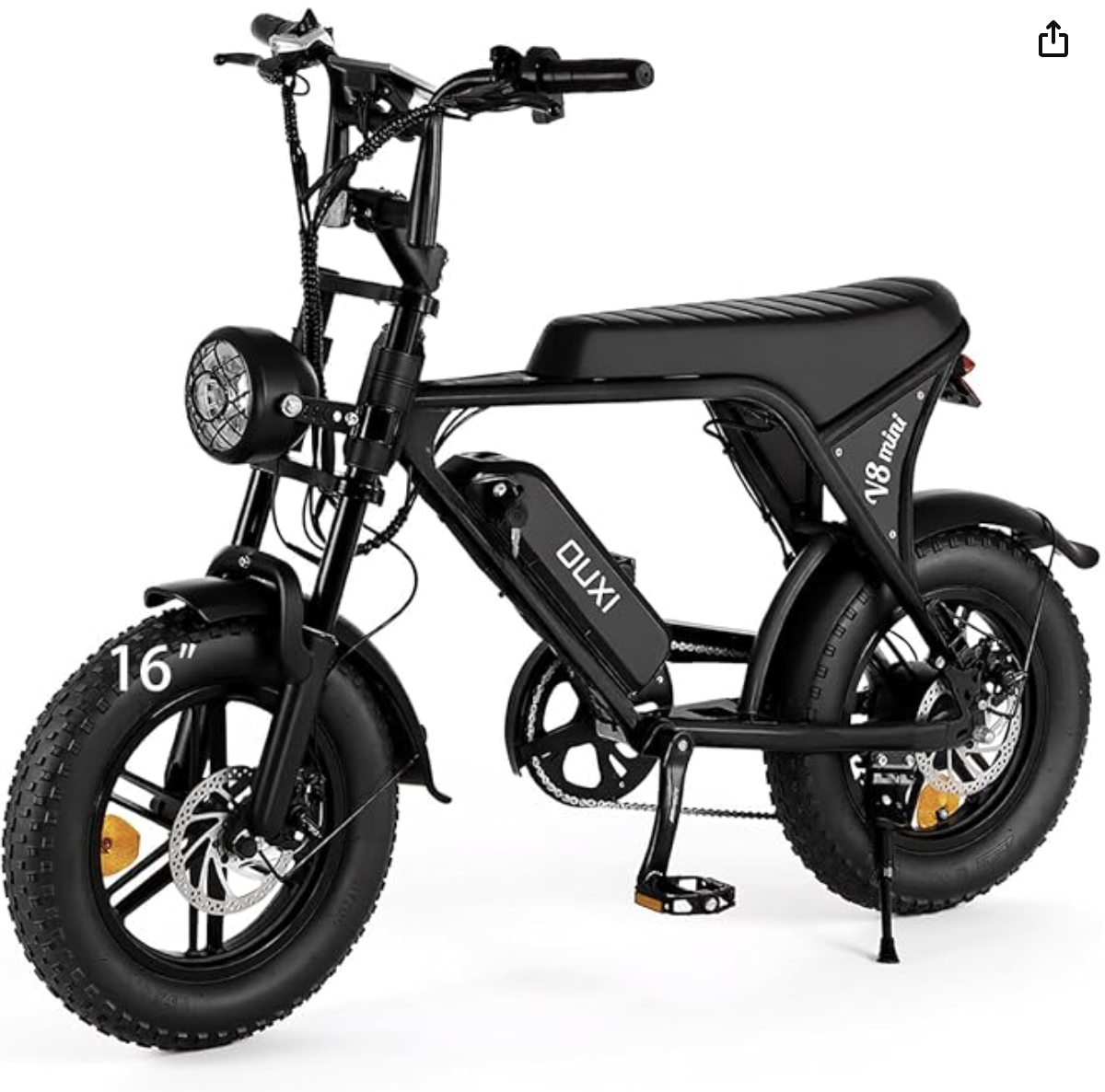
ROGUE E-MOTO GALLERY

NOT STREET LEGAL AND NOT E-BIKES

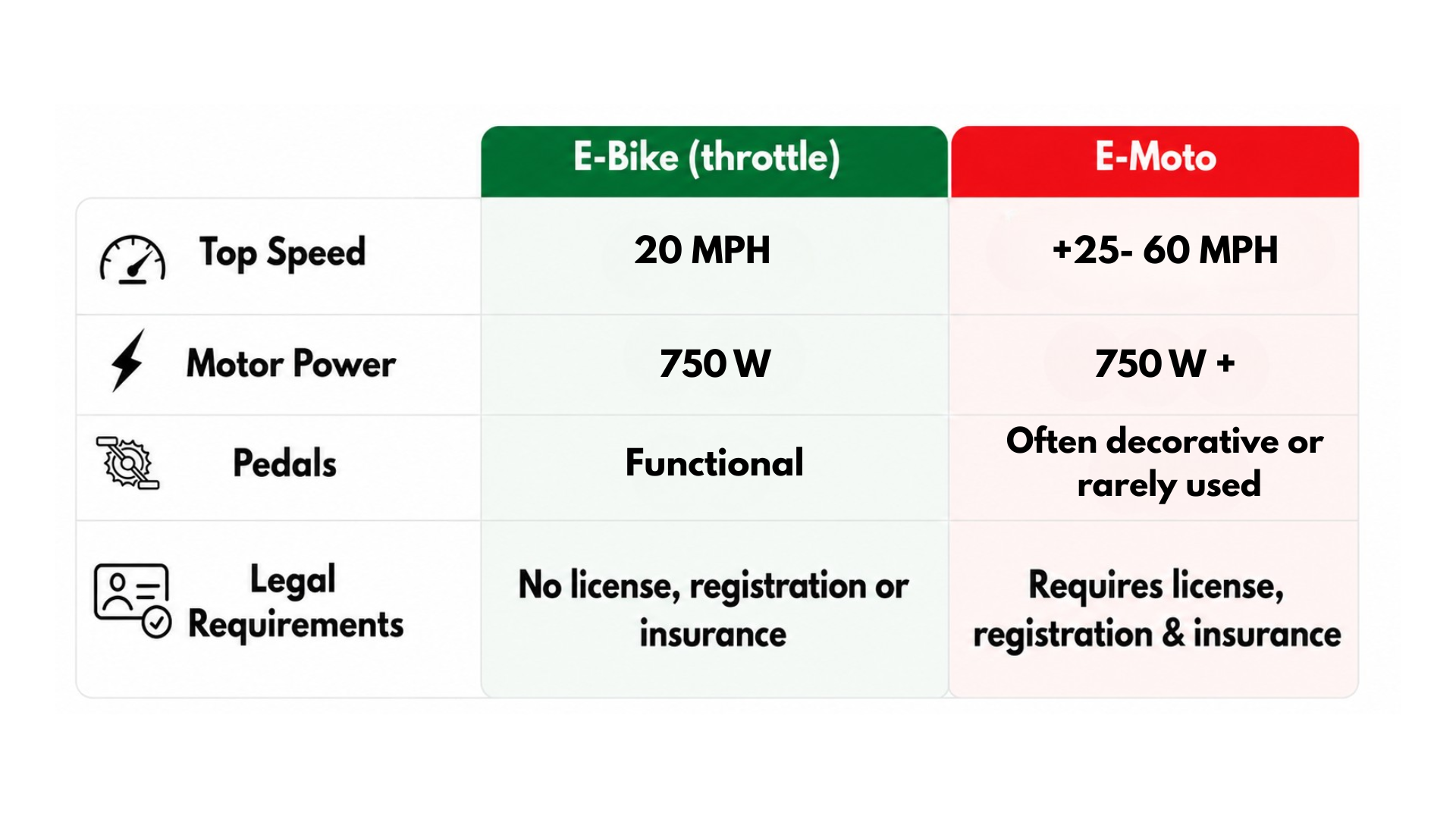
Q: How to tell if a two-wheeler with a throttle and electric motor is a legal e-bike or an illegal e-moto?

A: It’s not the presence of pedals, as many mistakenly believe. Putting pedals on an e-moto does not make it an e-bike.

And it’s not the presence of a Class 2 label. Putting an e-bike label on an e-moto does not make it an e-bike.

It’s whether the motor is more than 750 watts (1 horsepower) or capable of providing throttle assistance above 20 mph. (California Vehicle Code 312.5 (a)(2)).
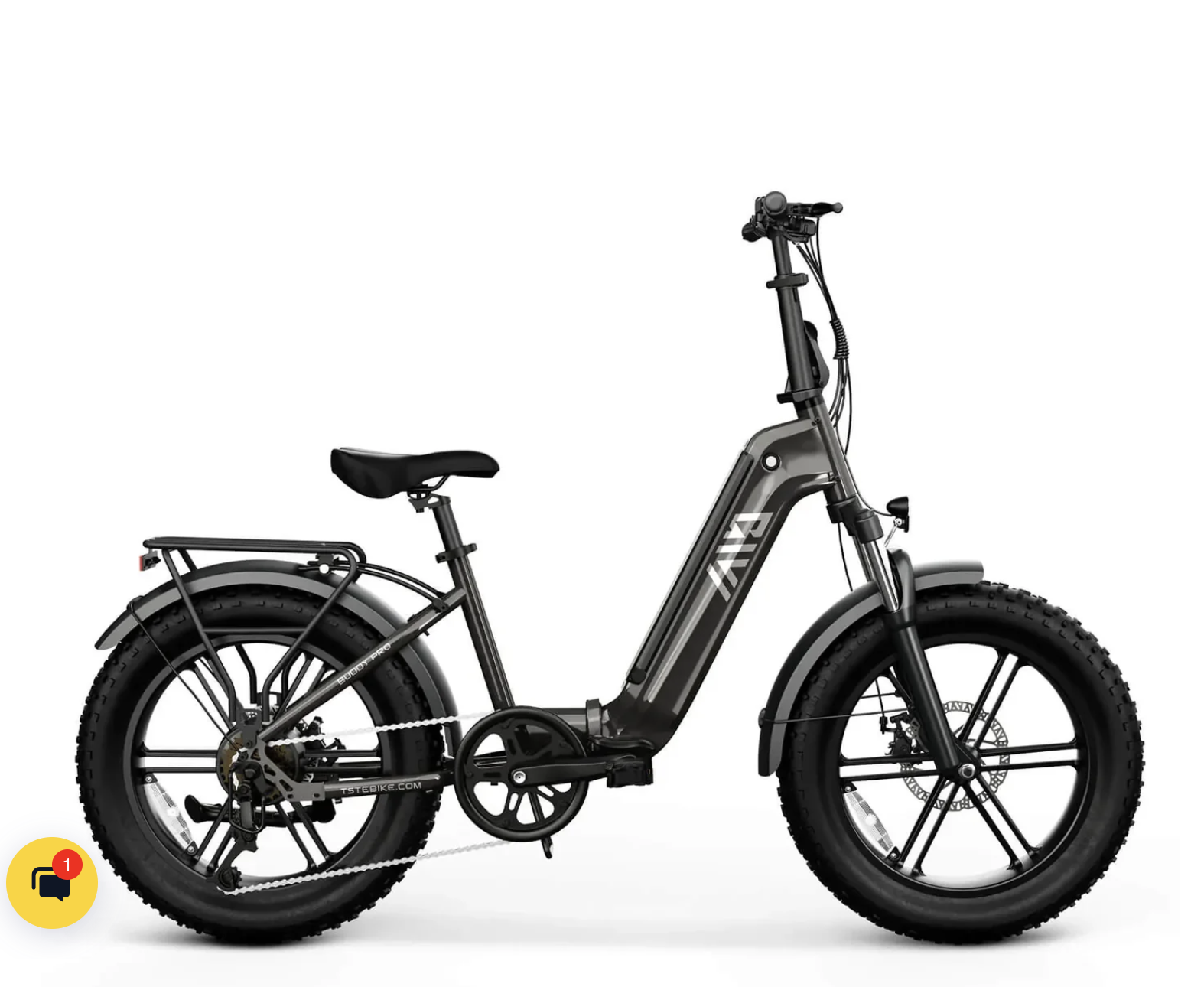
If so, it is not an e-bike under the laws of California and most other states. It is instead what is widely referred to as an e-motorcycle or e-moto. And it requires licensing and registration just like other motor vehicles. CalBike aptly calls them “rogue motorcycles.”

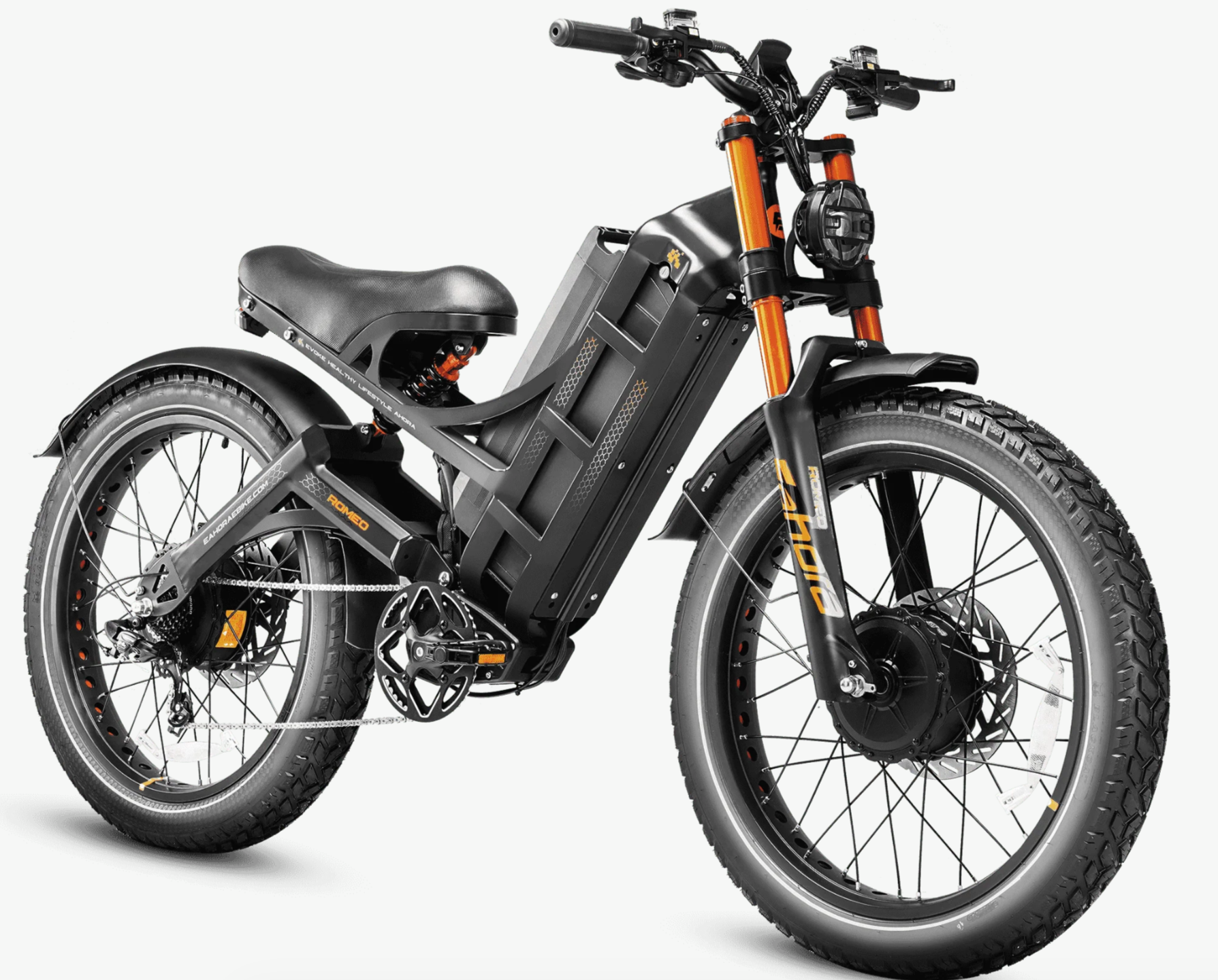
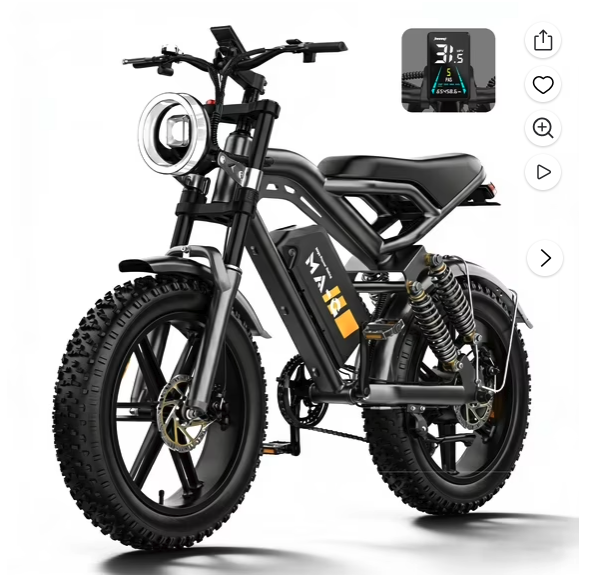
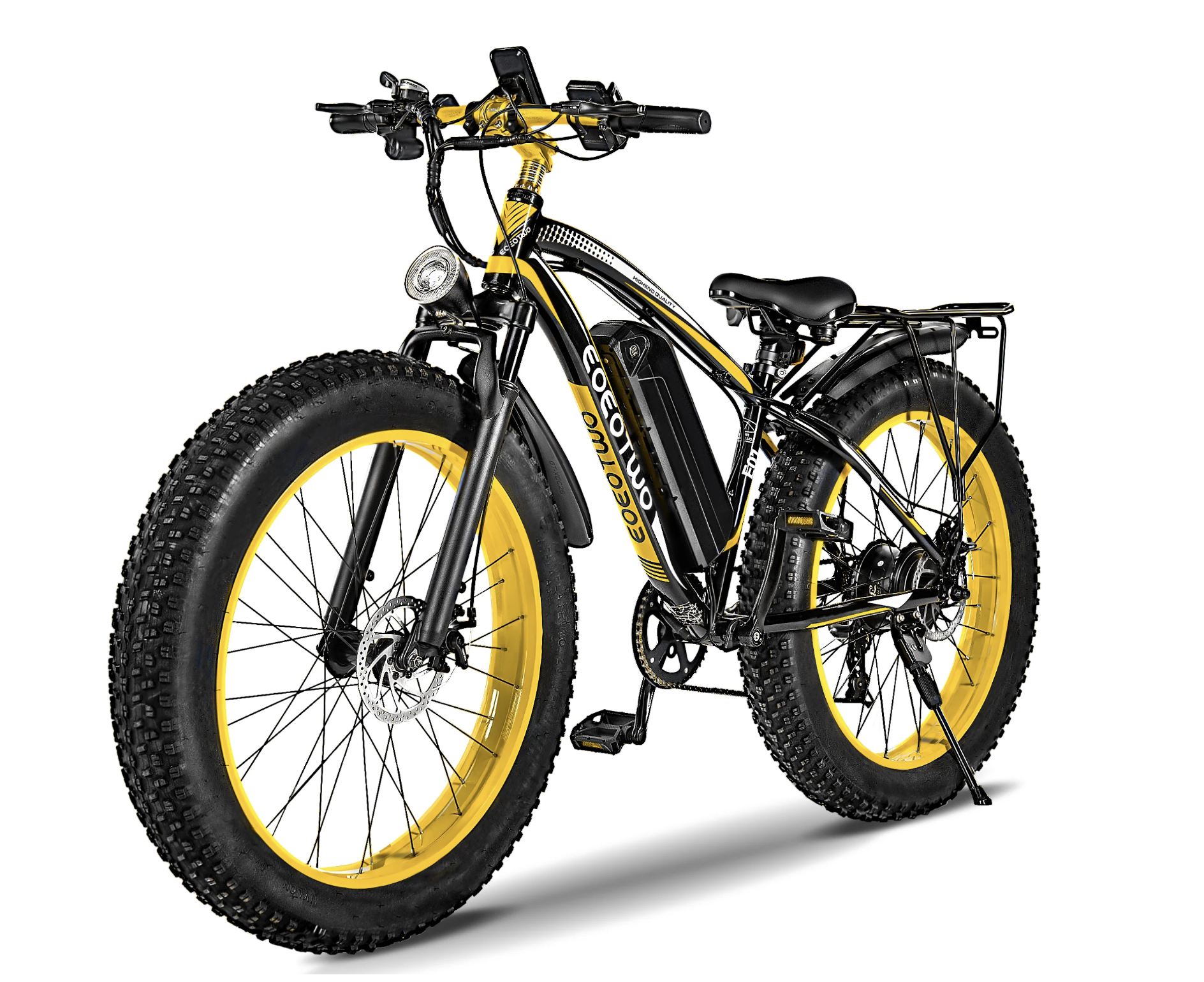
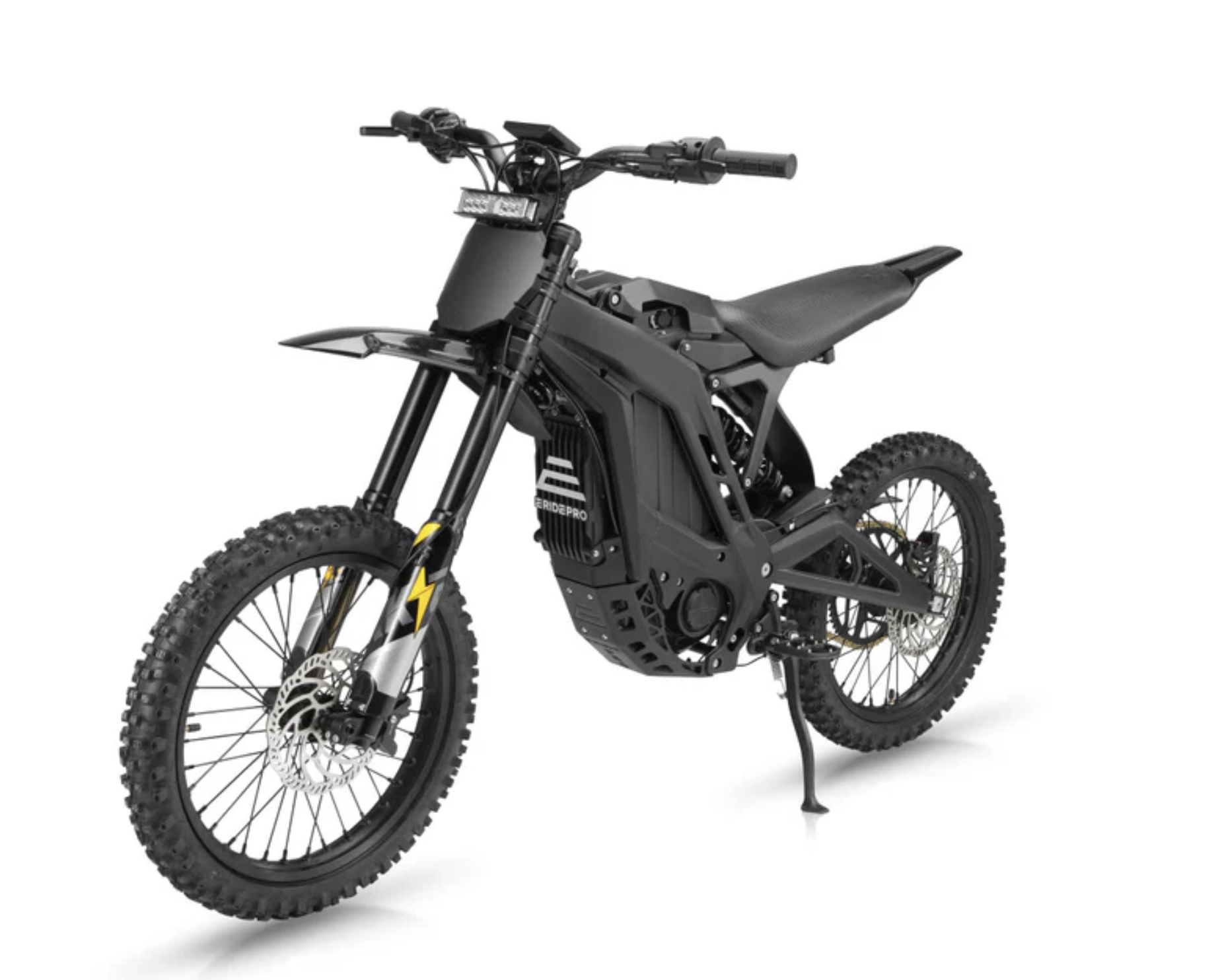
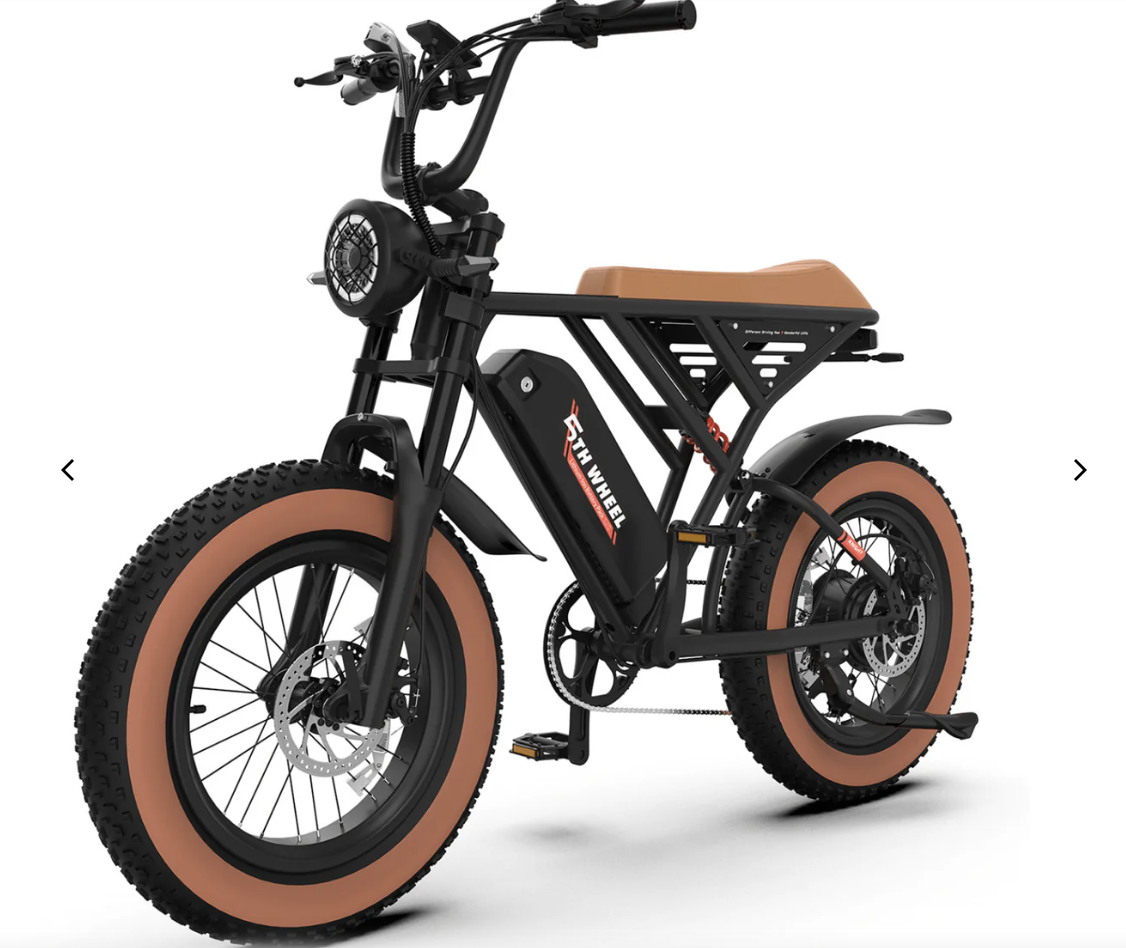
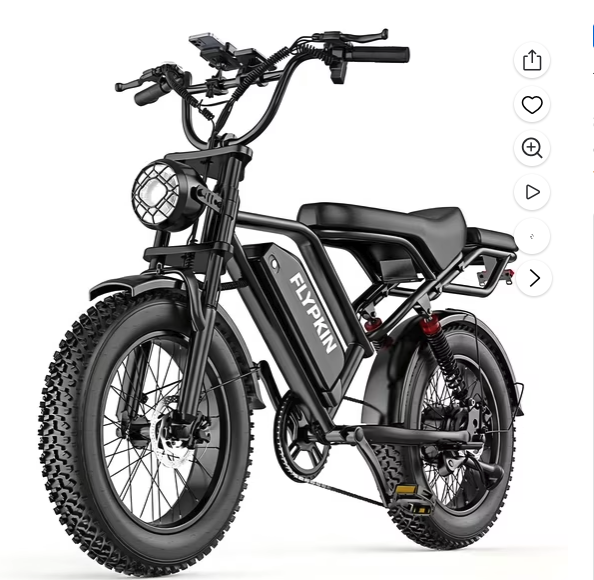
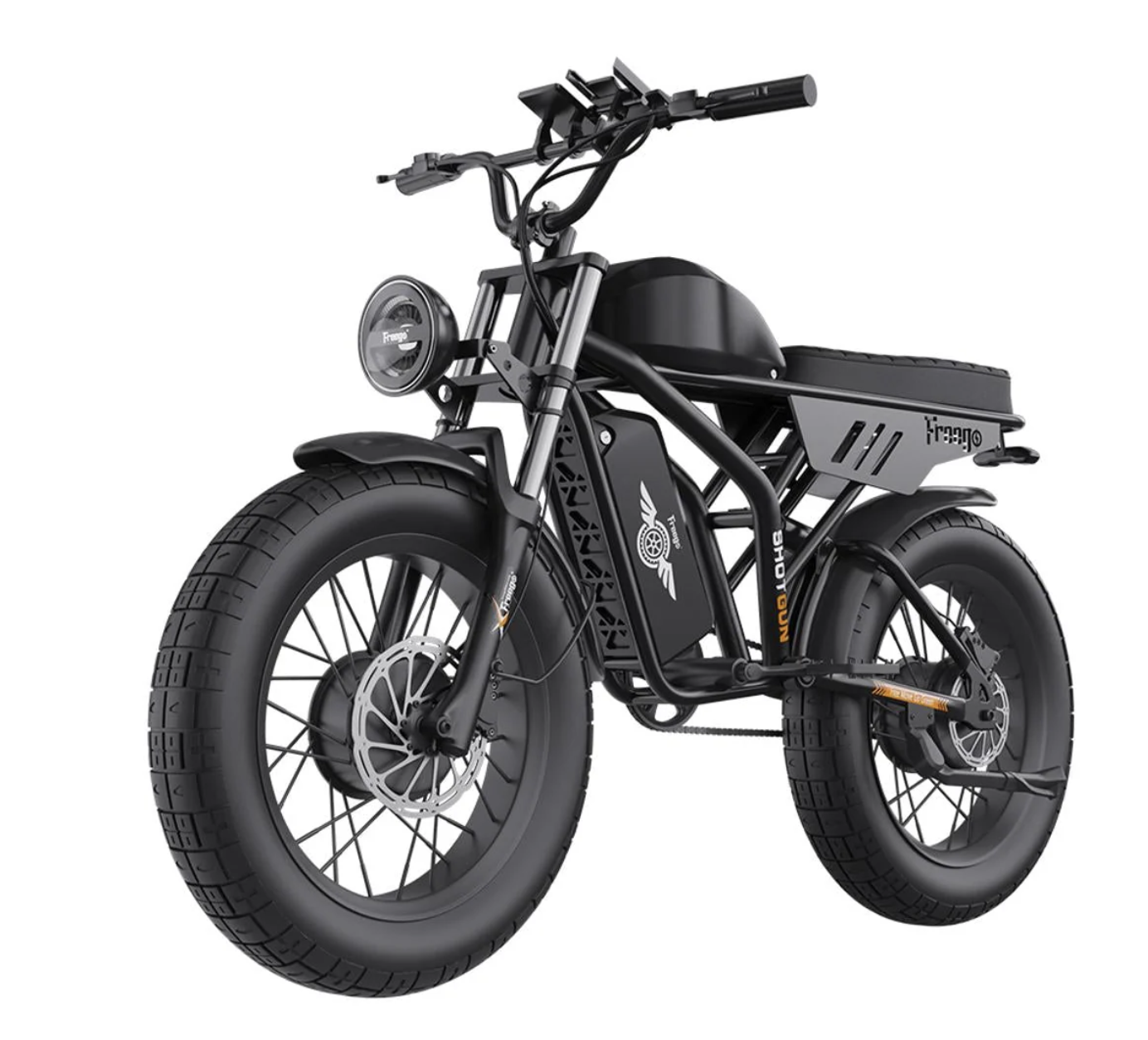
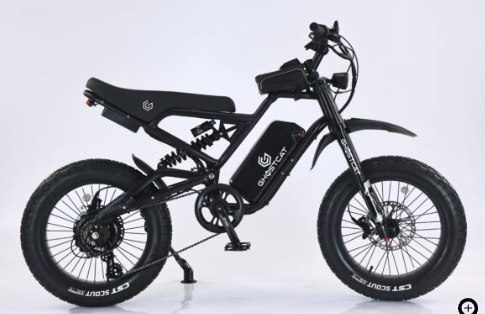
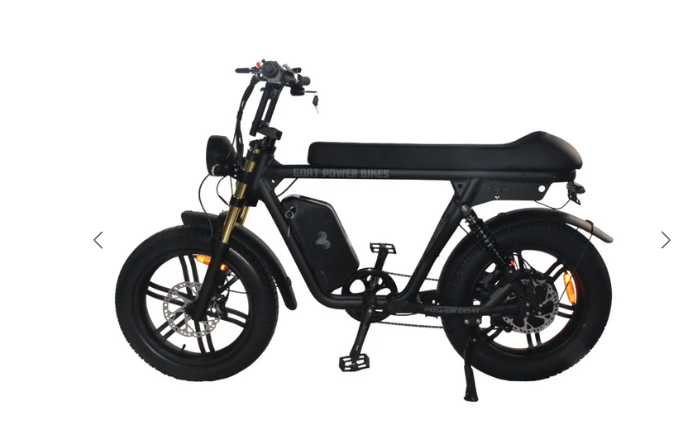
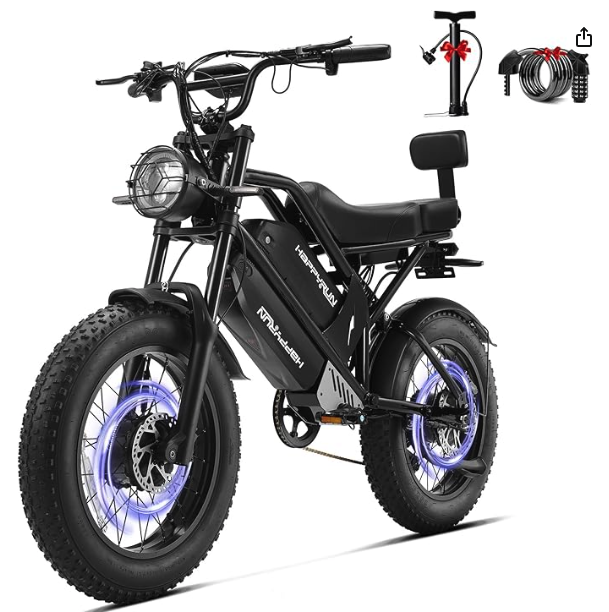
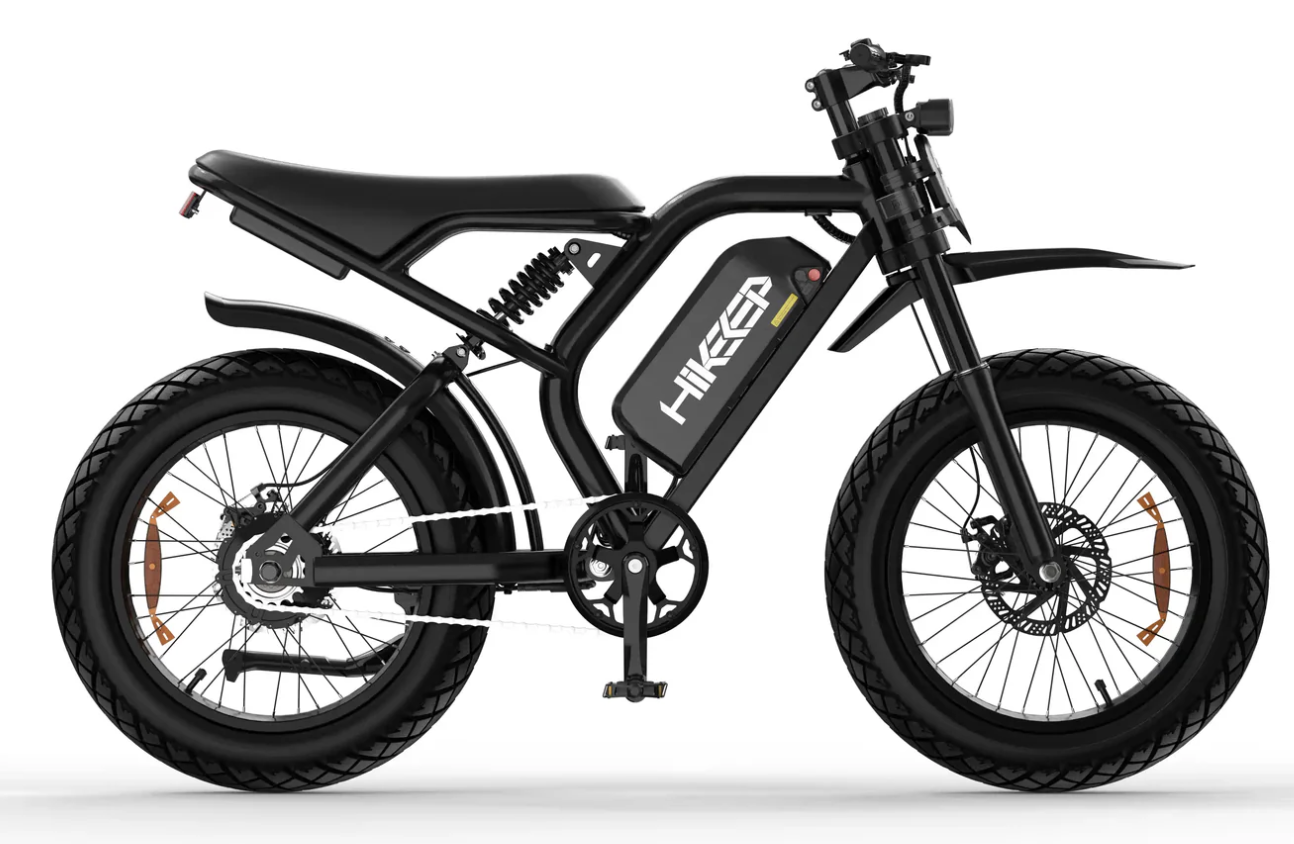
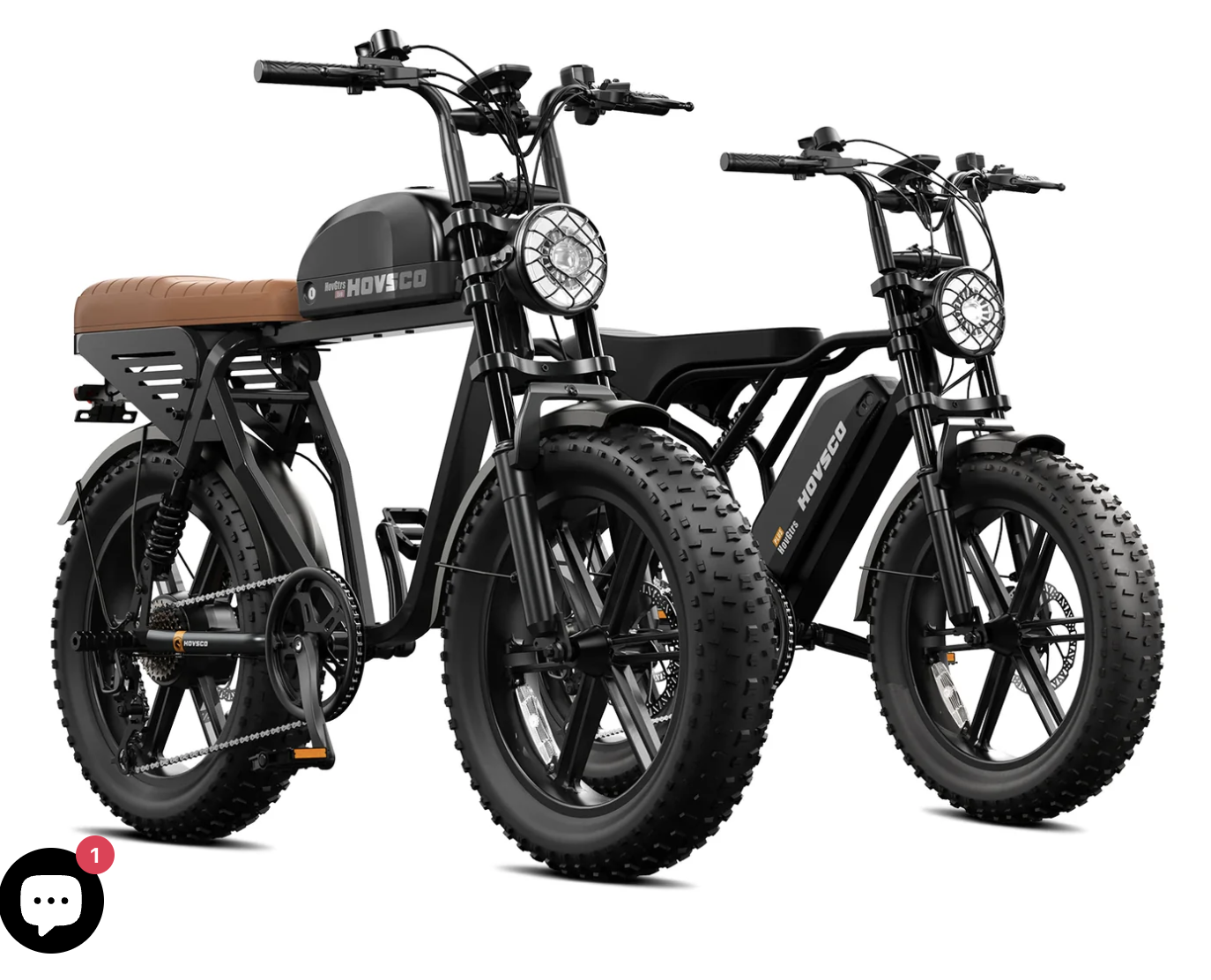
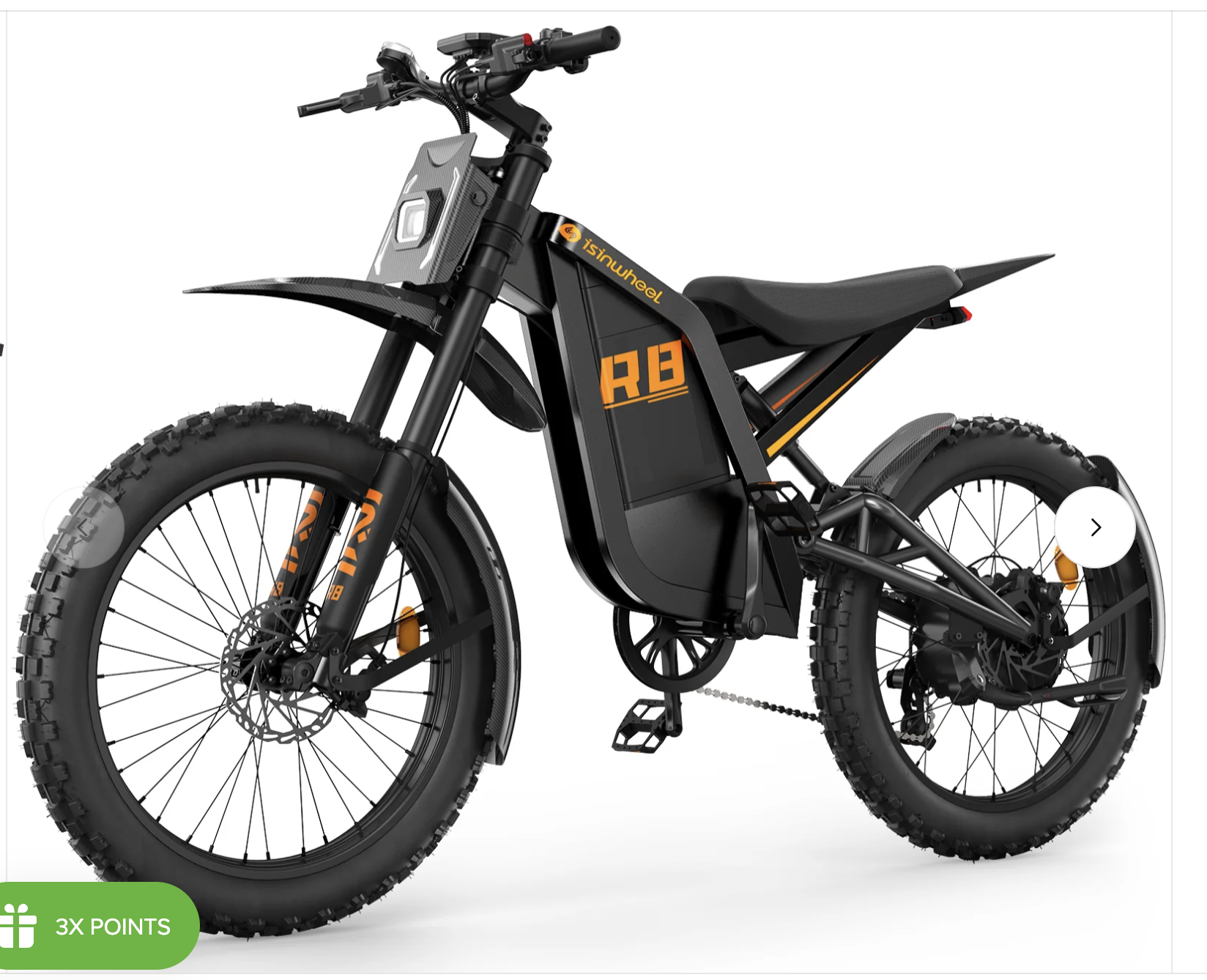
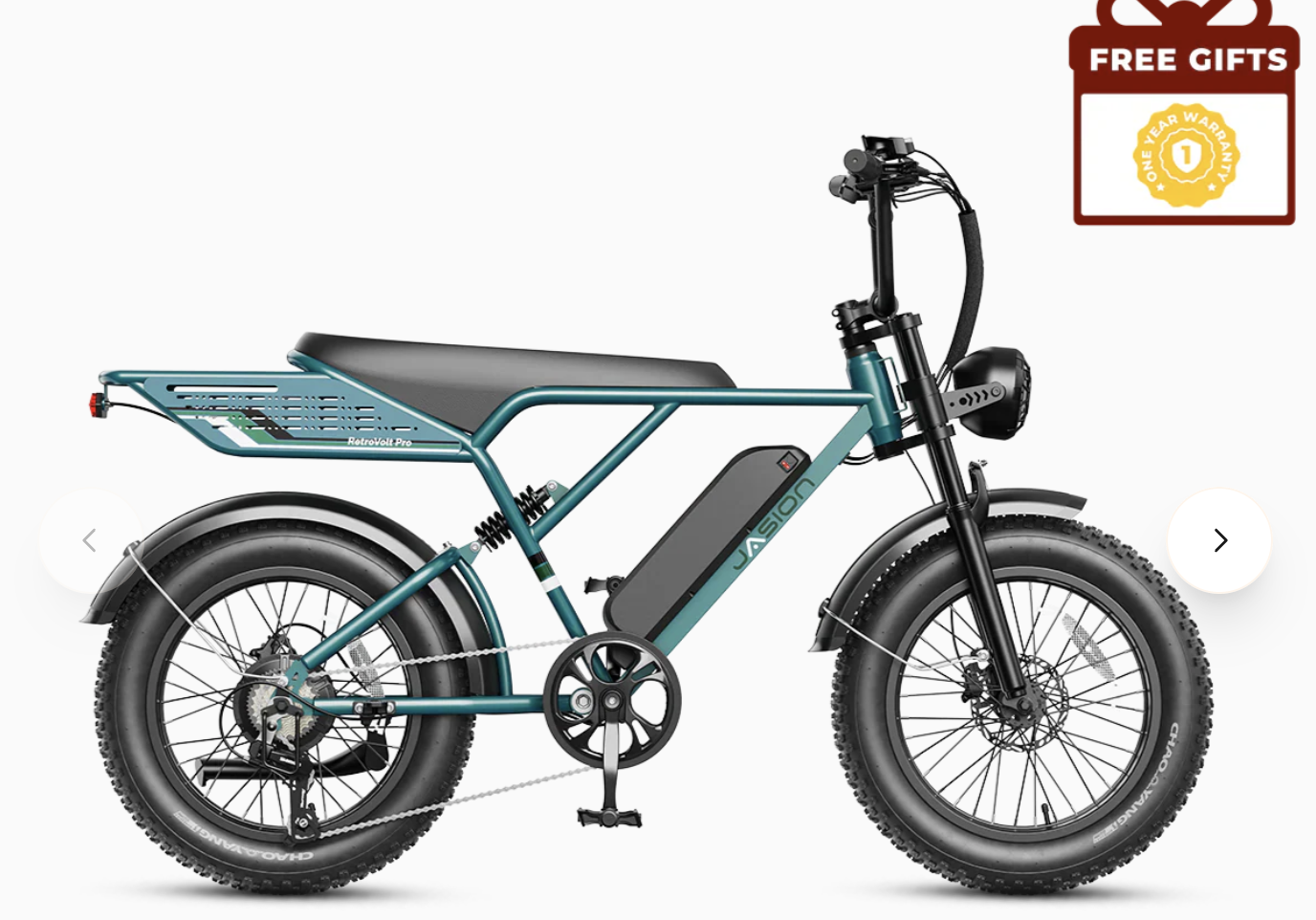
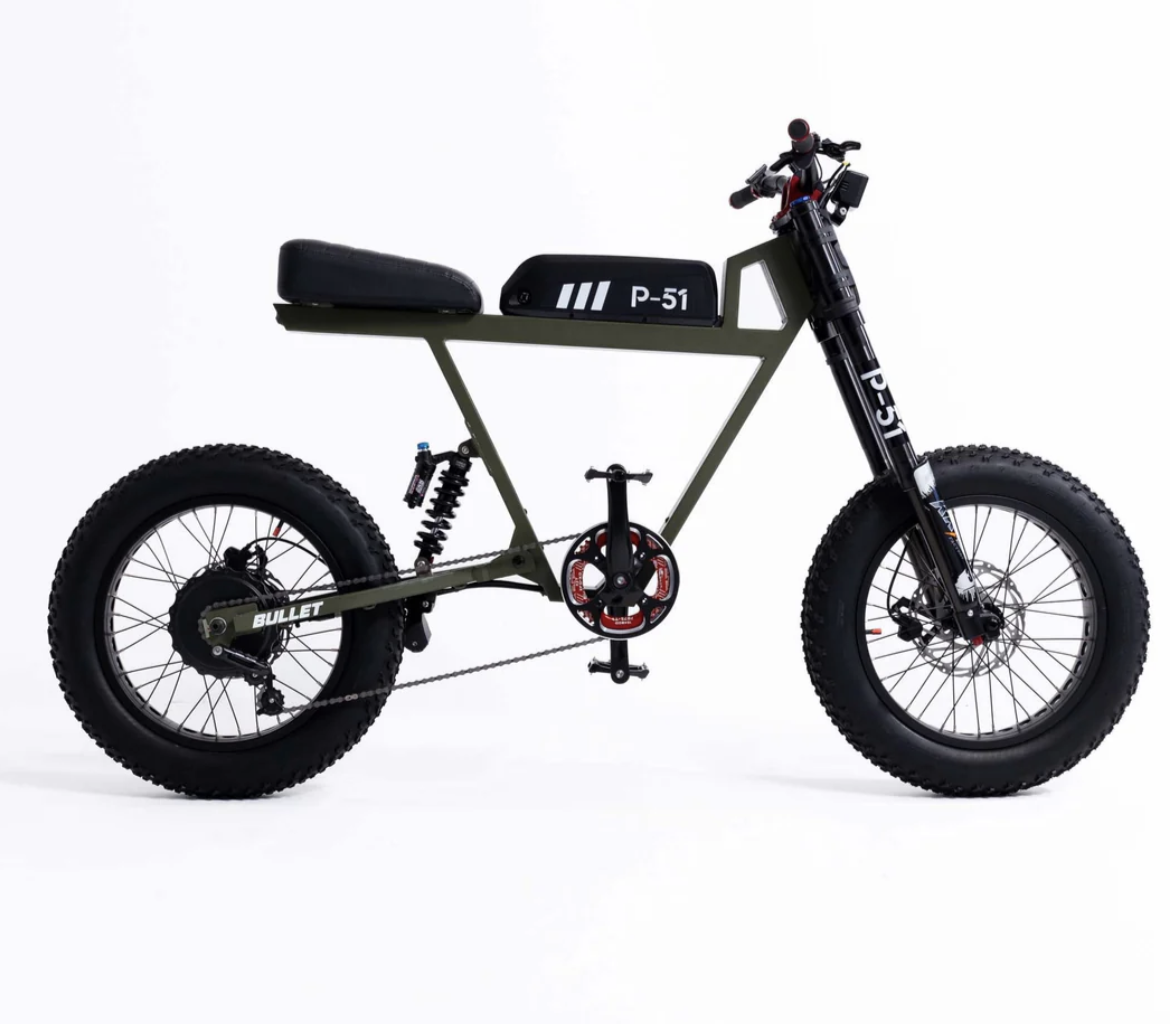
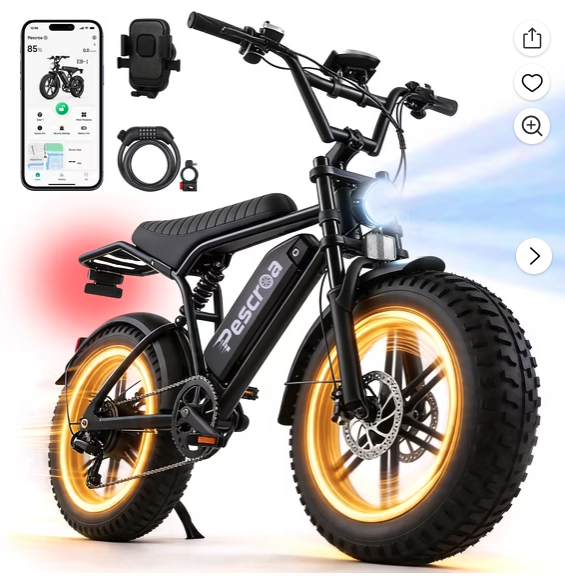
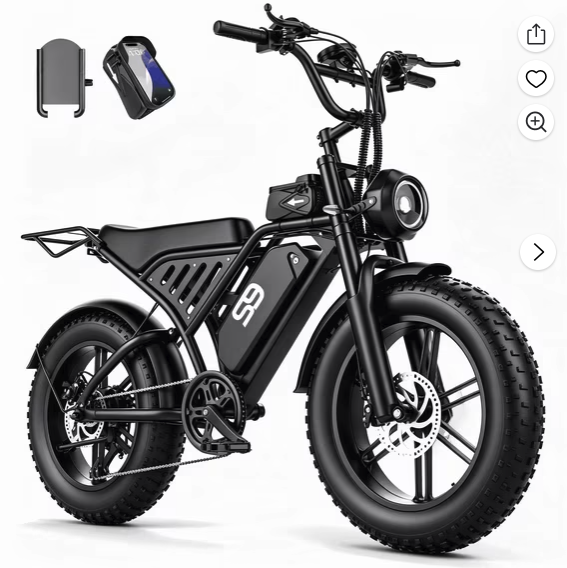
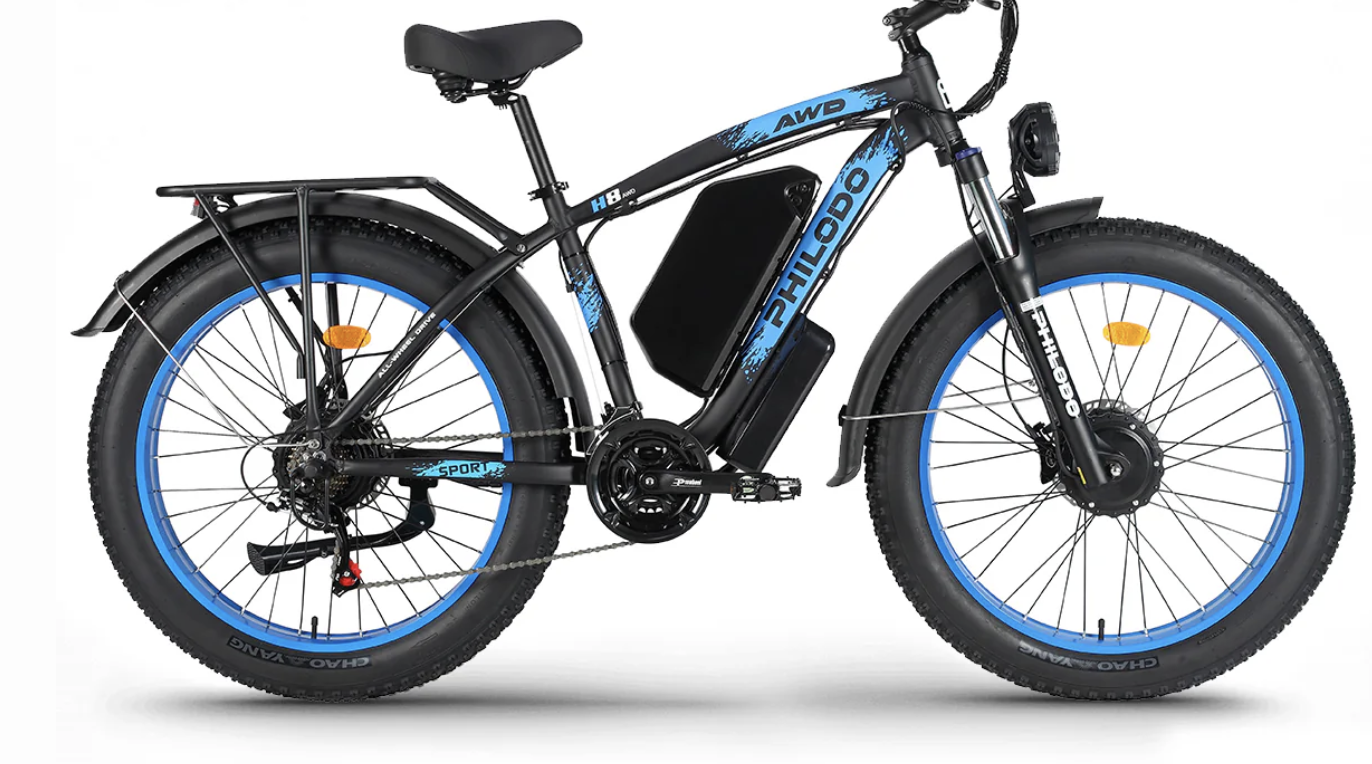
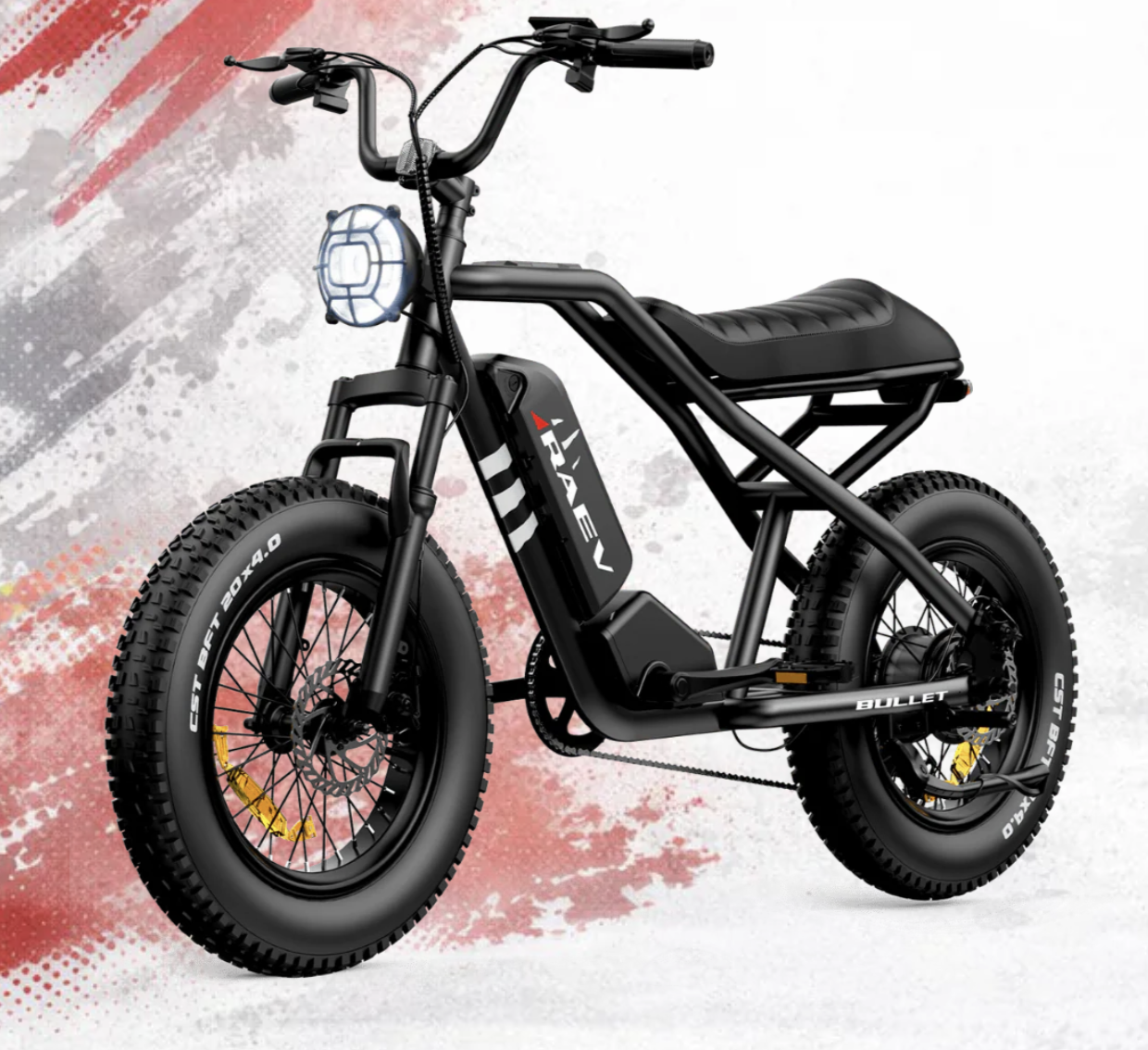
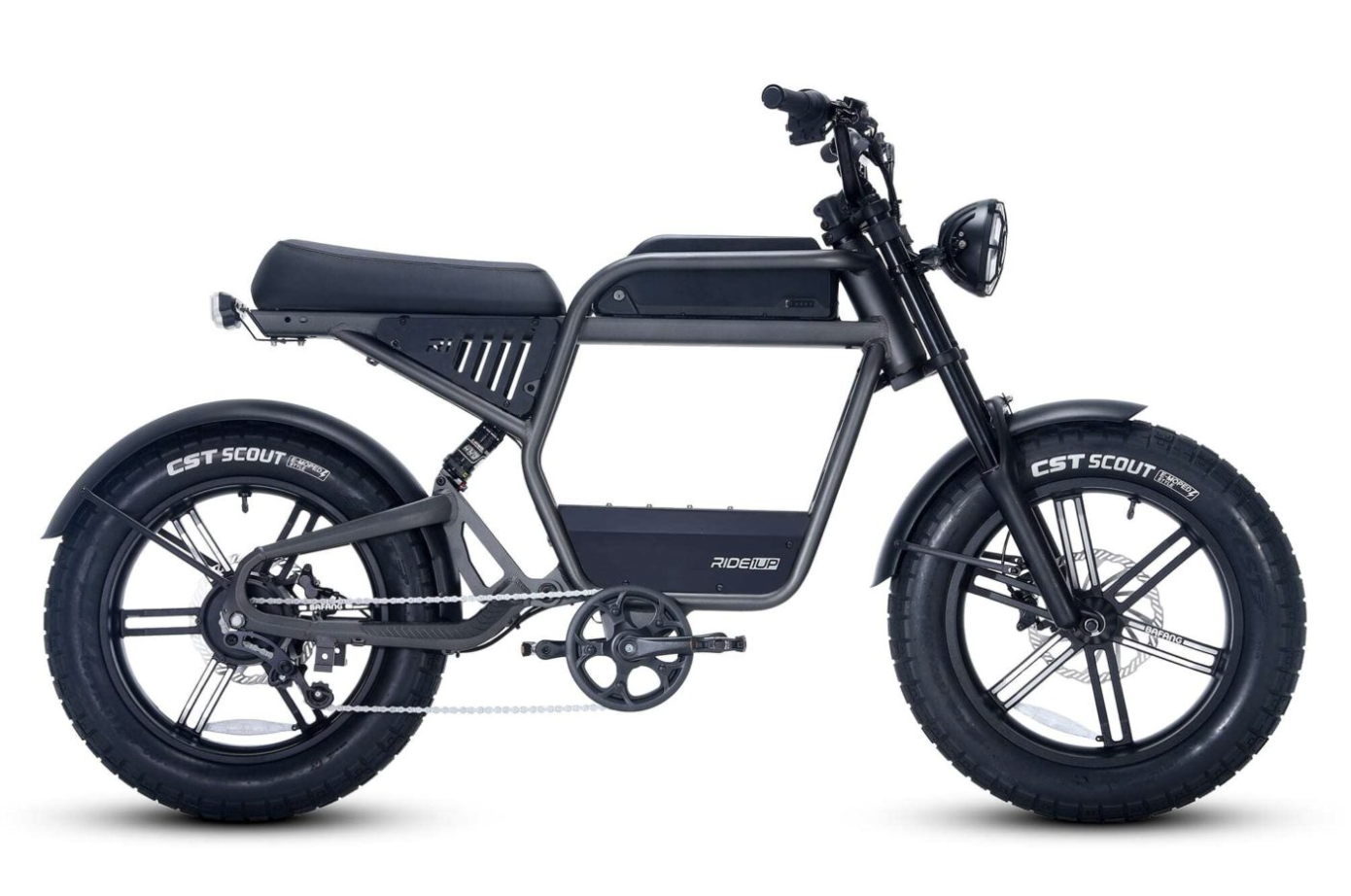
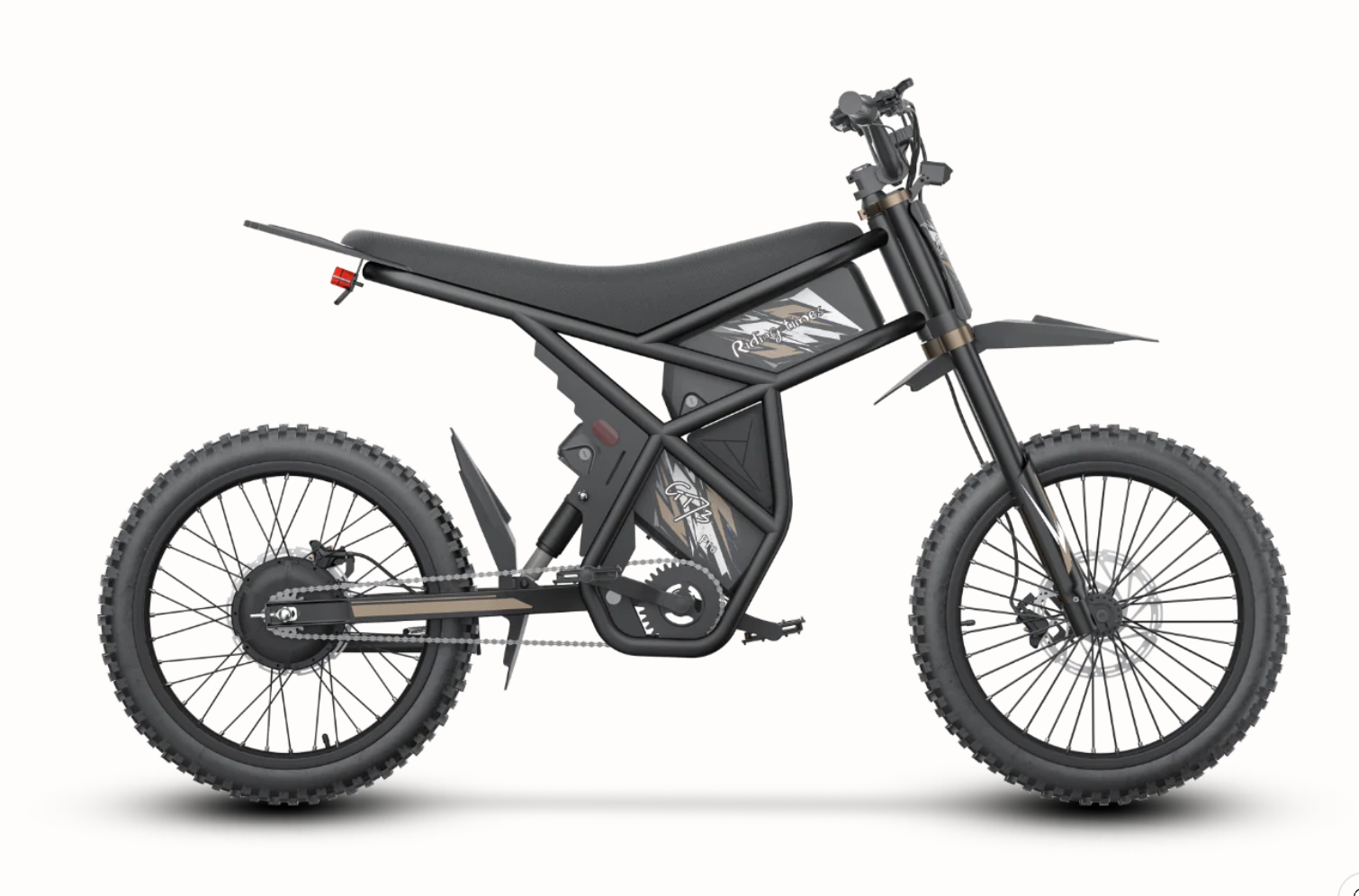
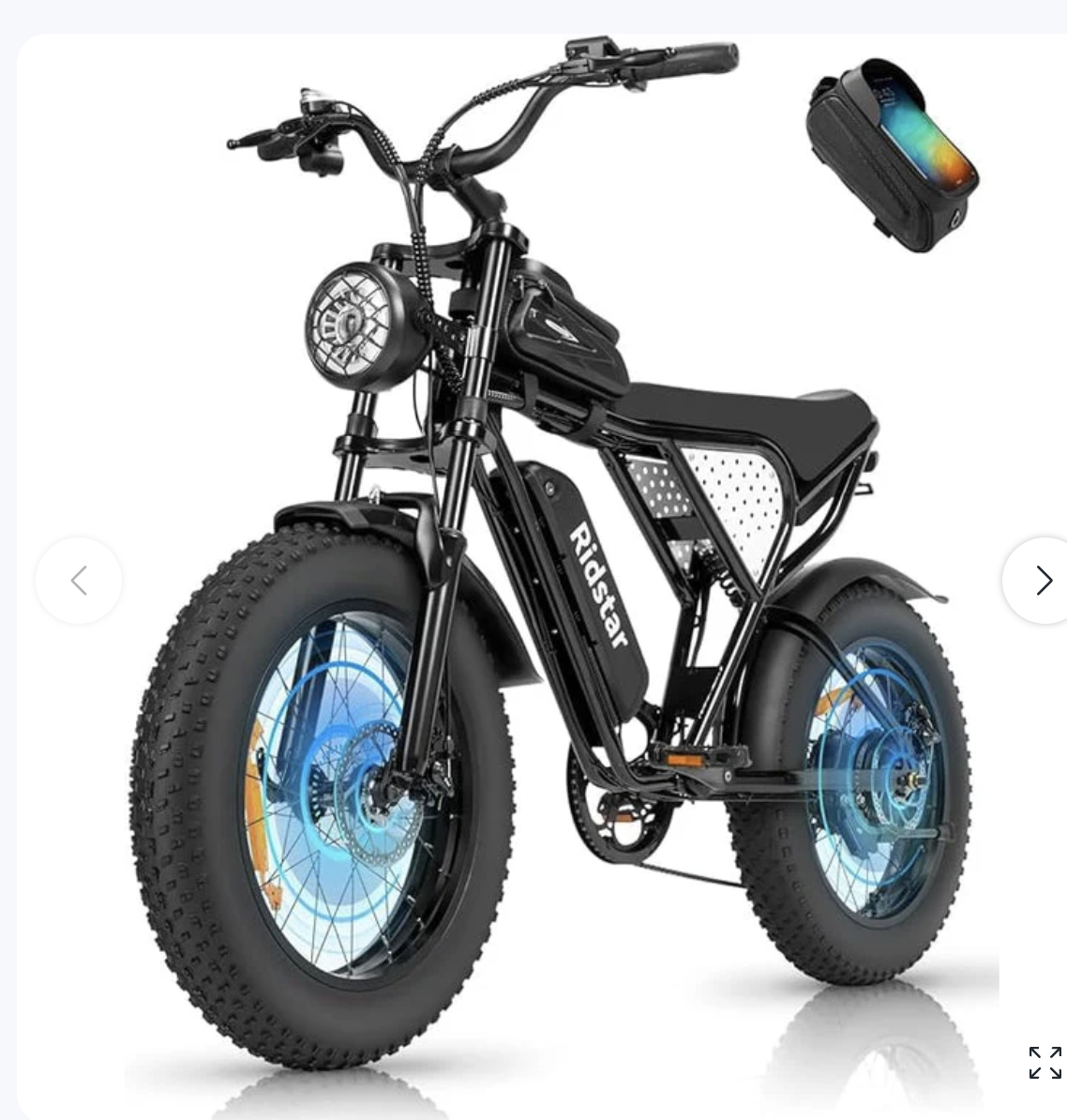
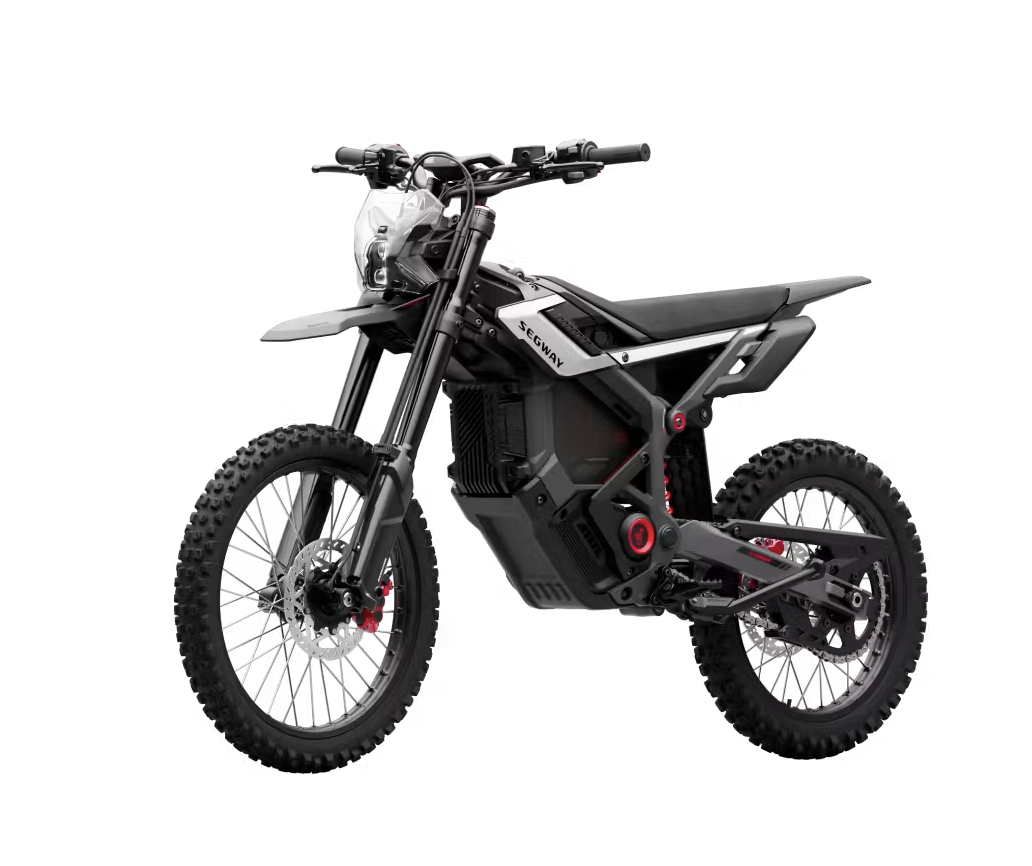
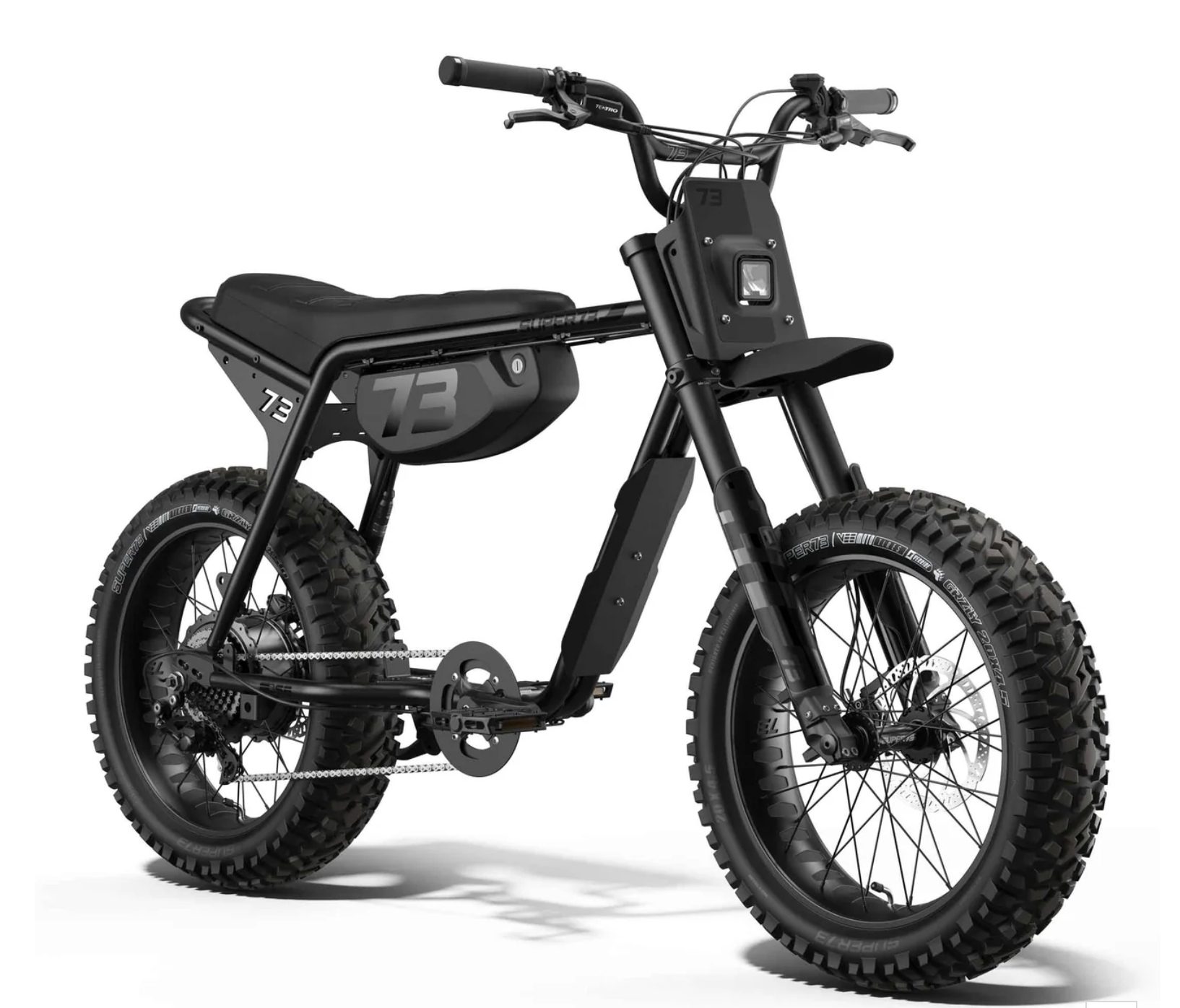
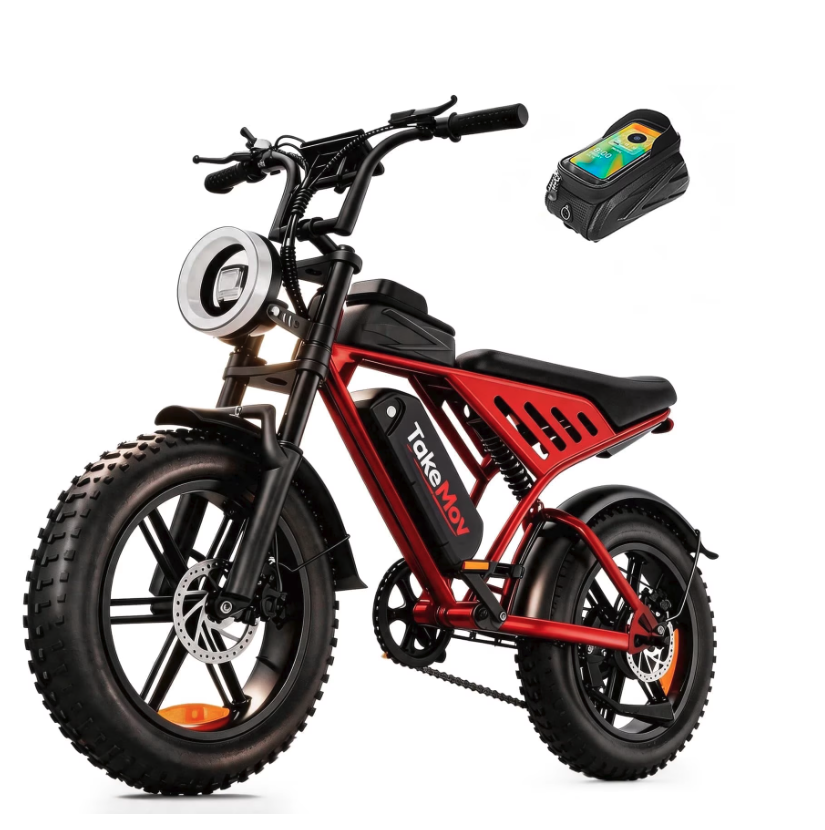
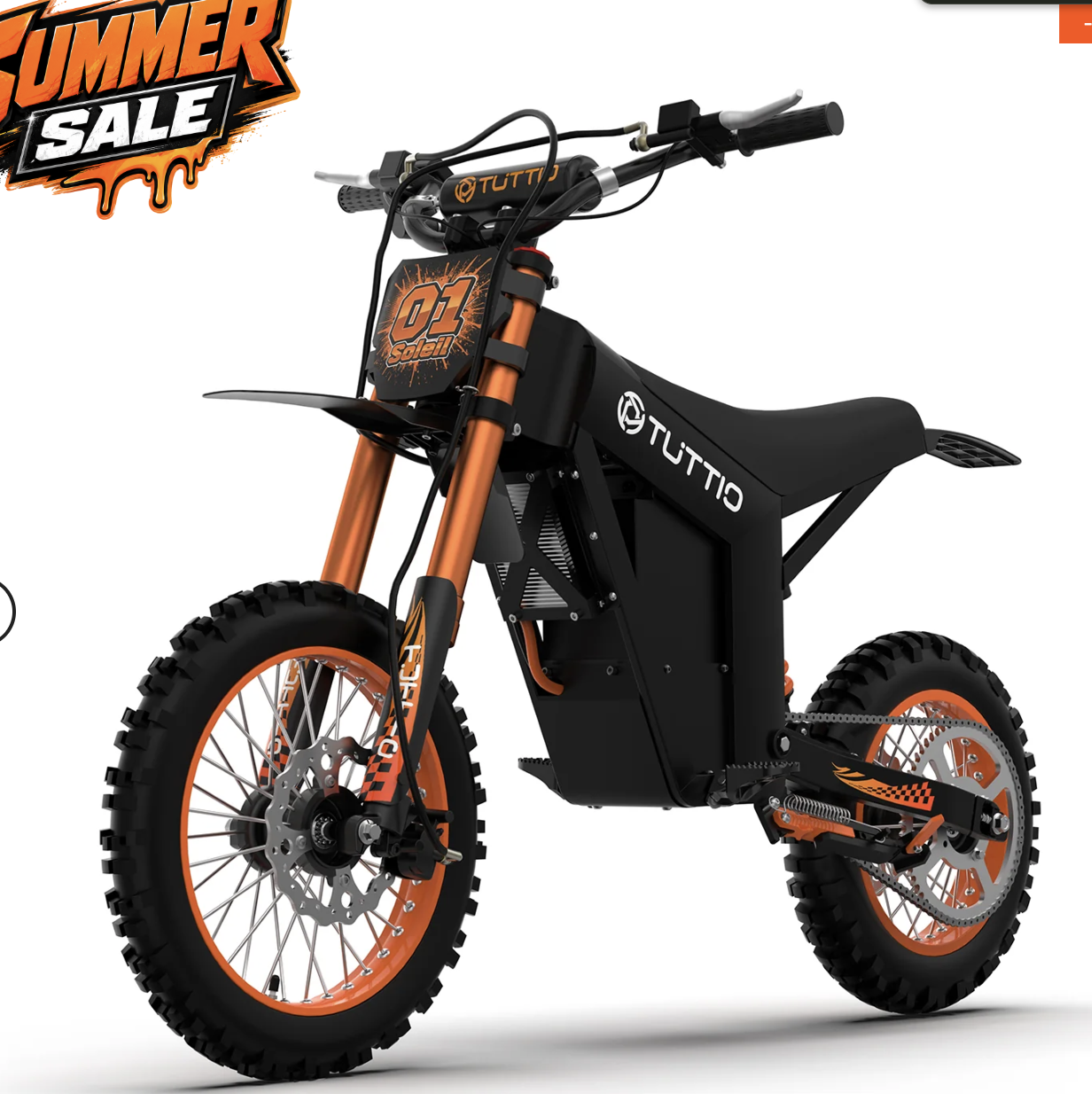
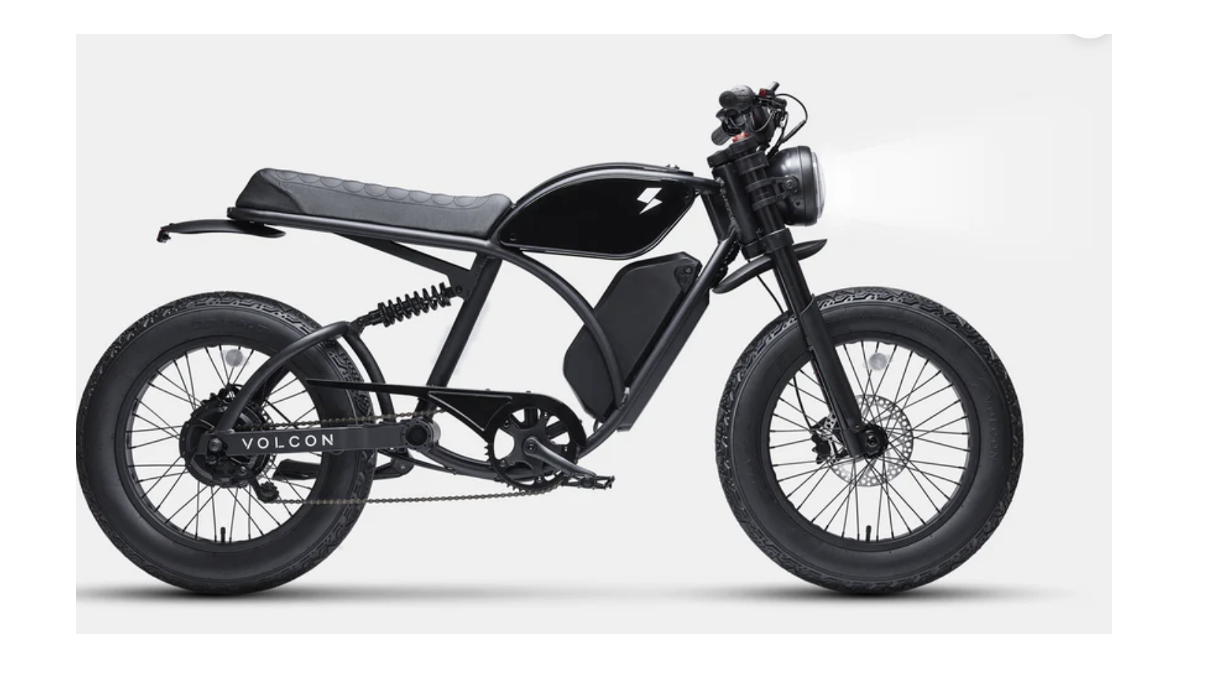
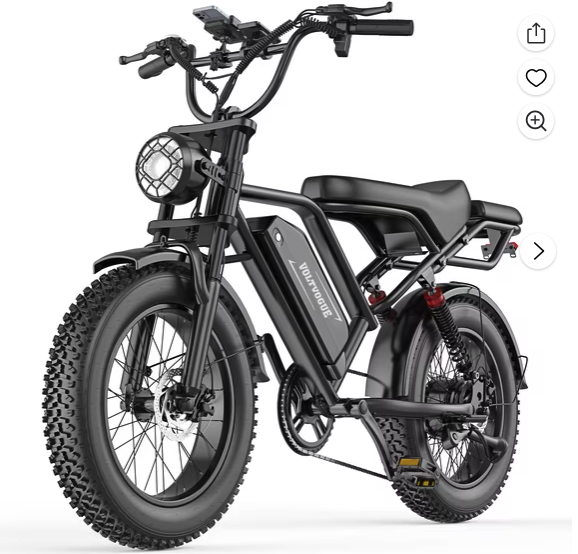
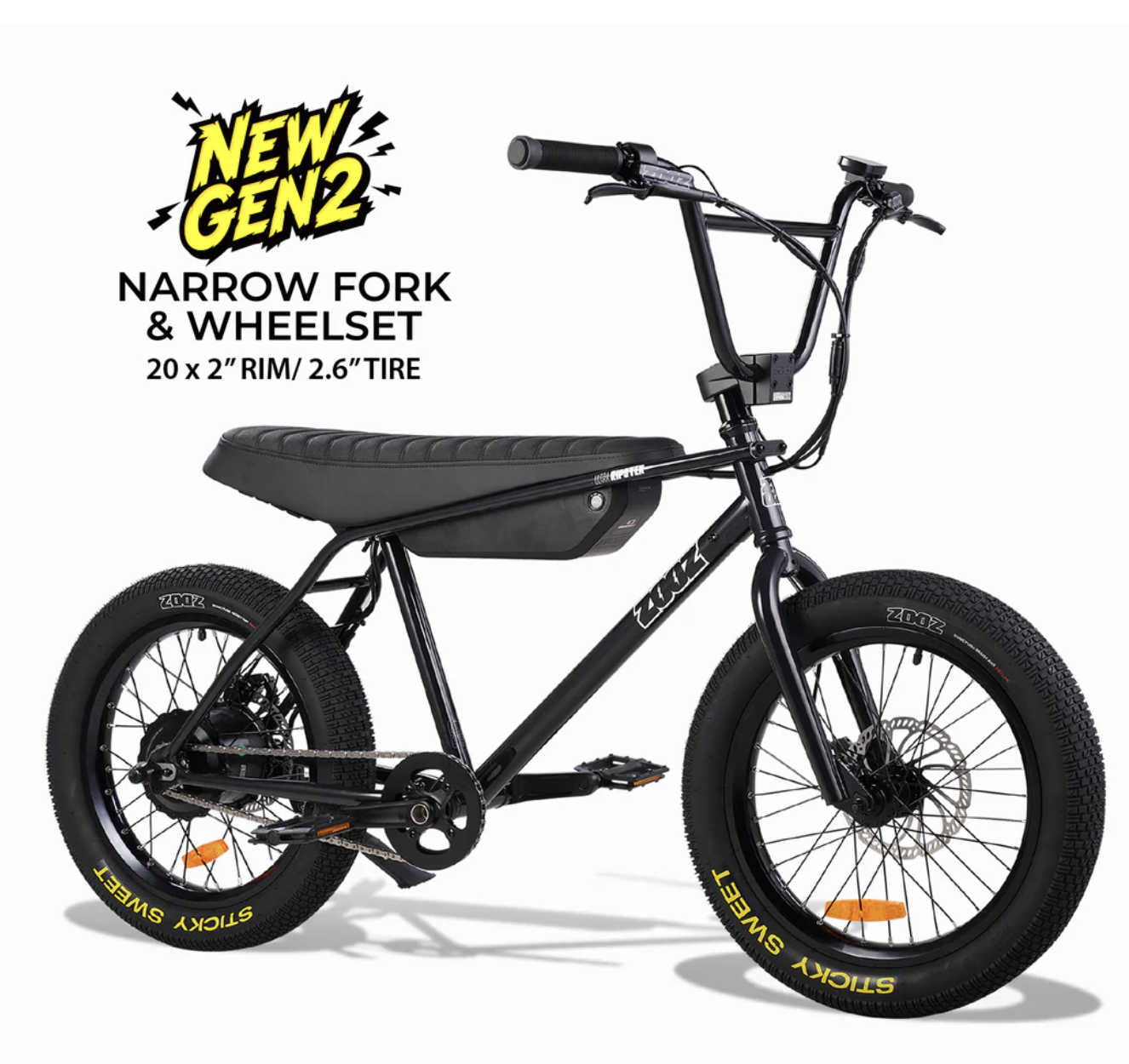
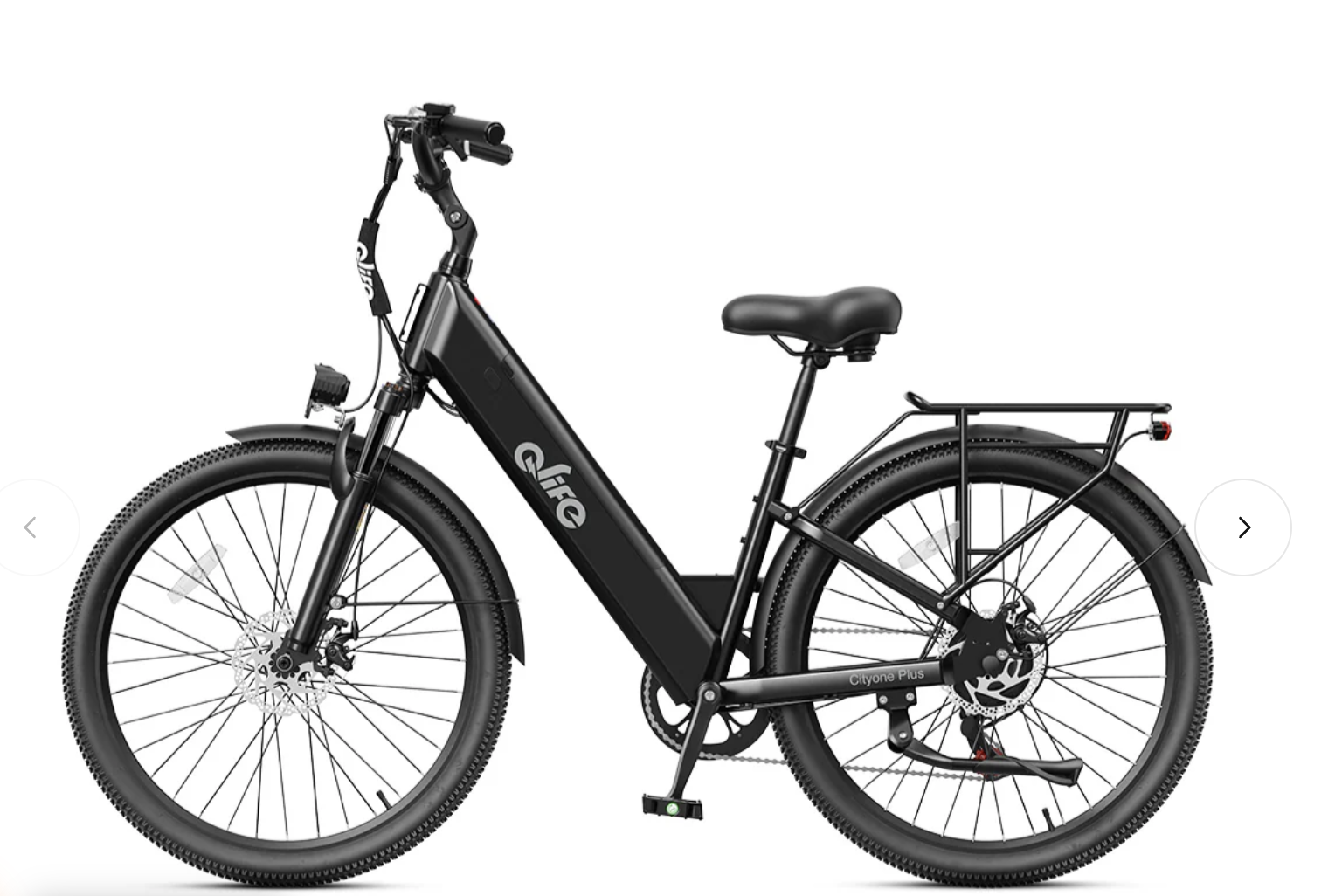
To assist parents, schools and law enforcement, E-Bike Access provides this Rogue Gallery of some e-moto brands we have seen at local schools and beyond, along with evidence that their motors exceed the limits for throttle e-bikes usually from the manufacturer’s own website.

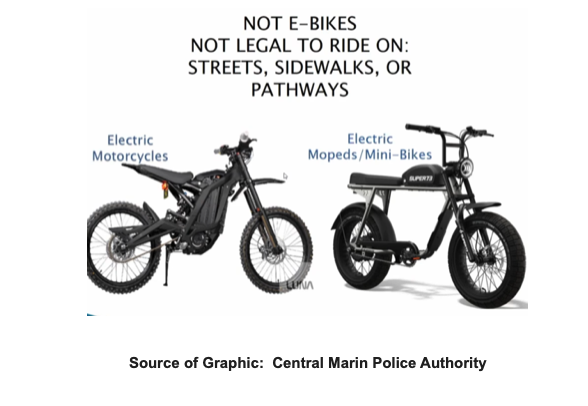
As this 2024 graphic by the Central Marin Police Authority illustrates, the non-street legal devices are not limited to pedal-less SurRons and Talarias. They include “moped” type devices too.

See below for details of our methodology. If any manufacturer disputes its inclusion on this list, we invite it to submit sworn evidence that its motors are limited to 750 watts and not capable of working (whether by an app or another method) above 20 mph. We will update this list to add and drop brands as may be appropriate.


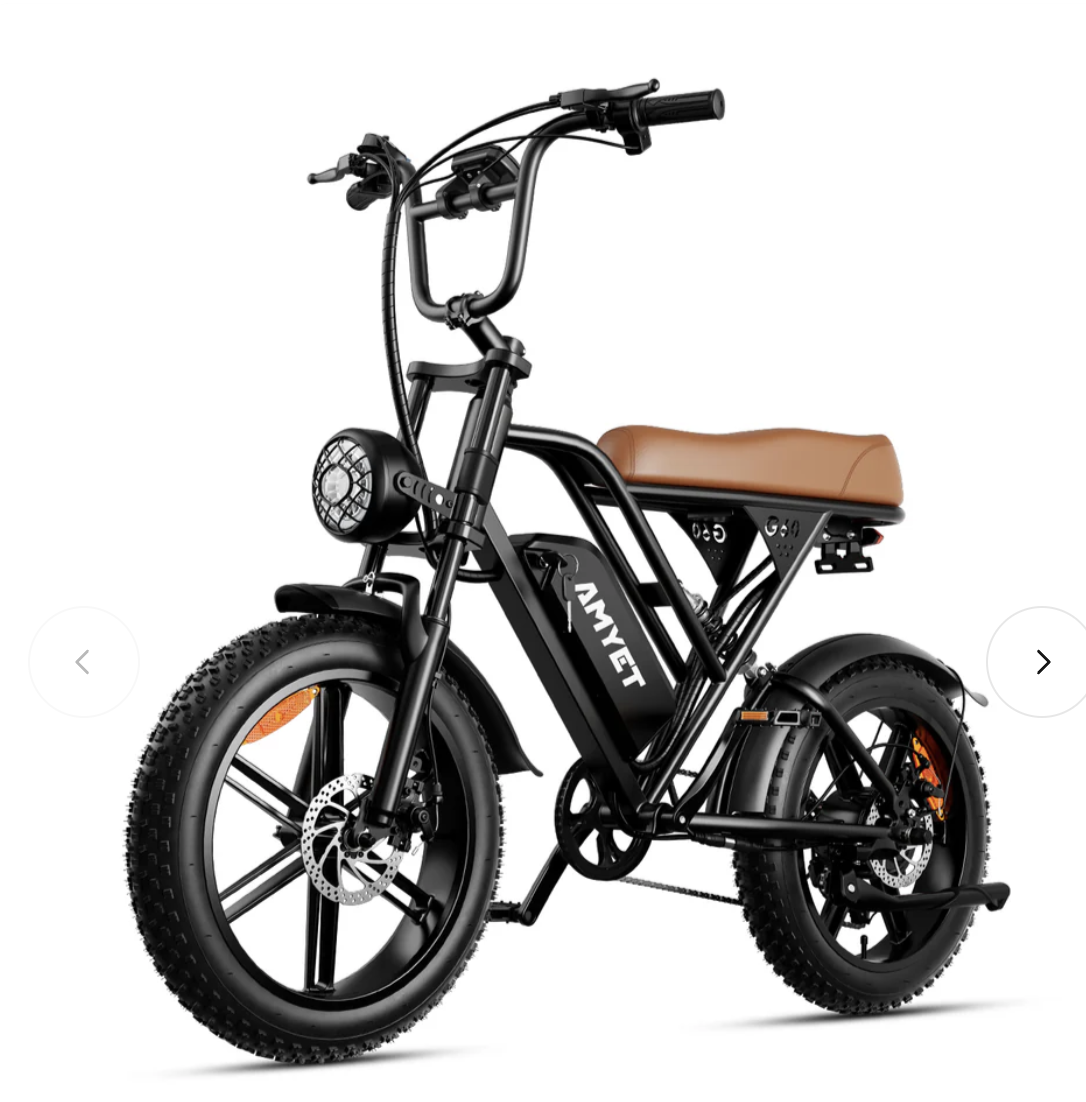
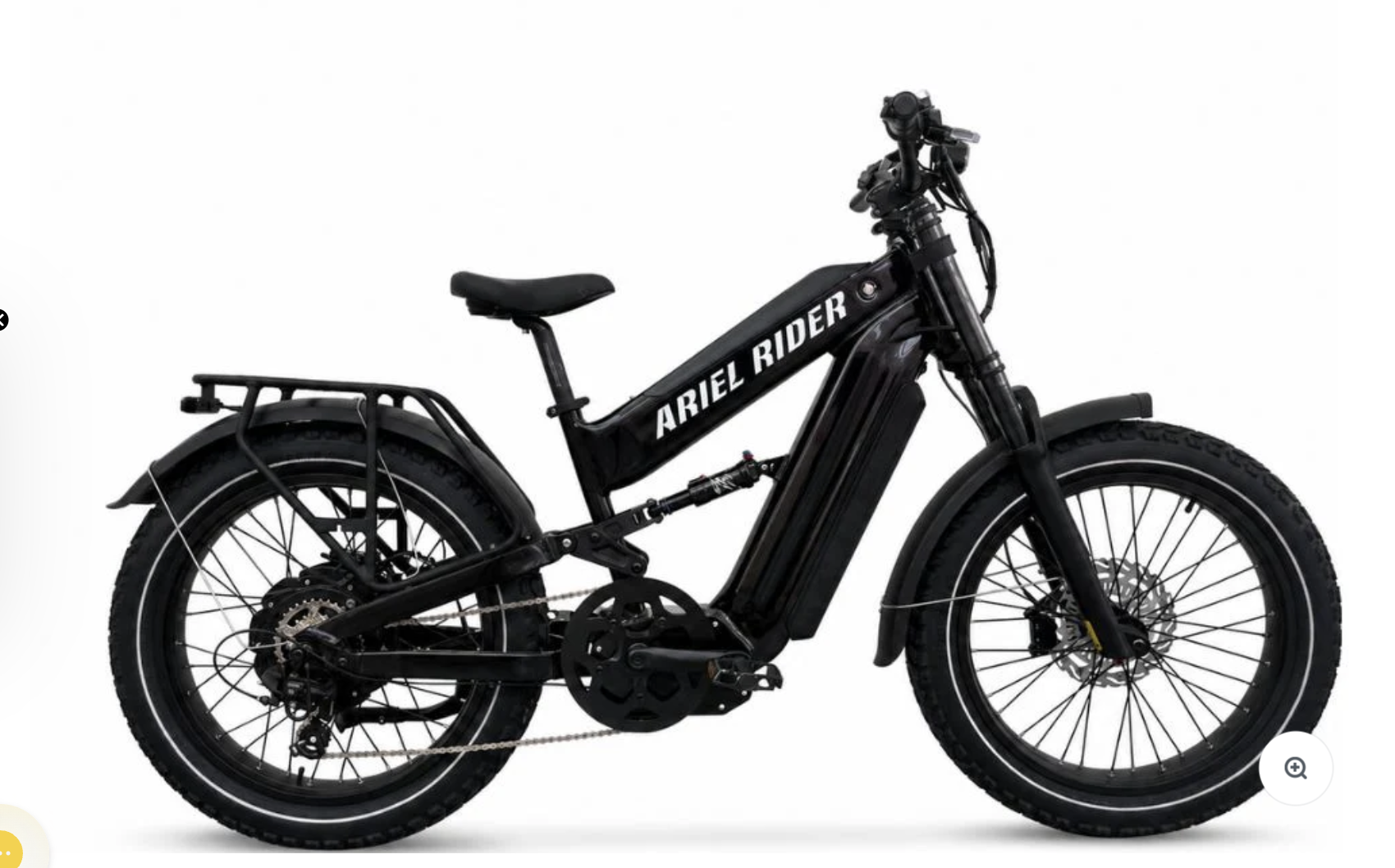
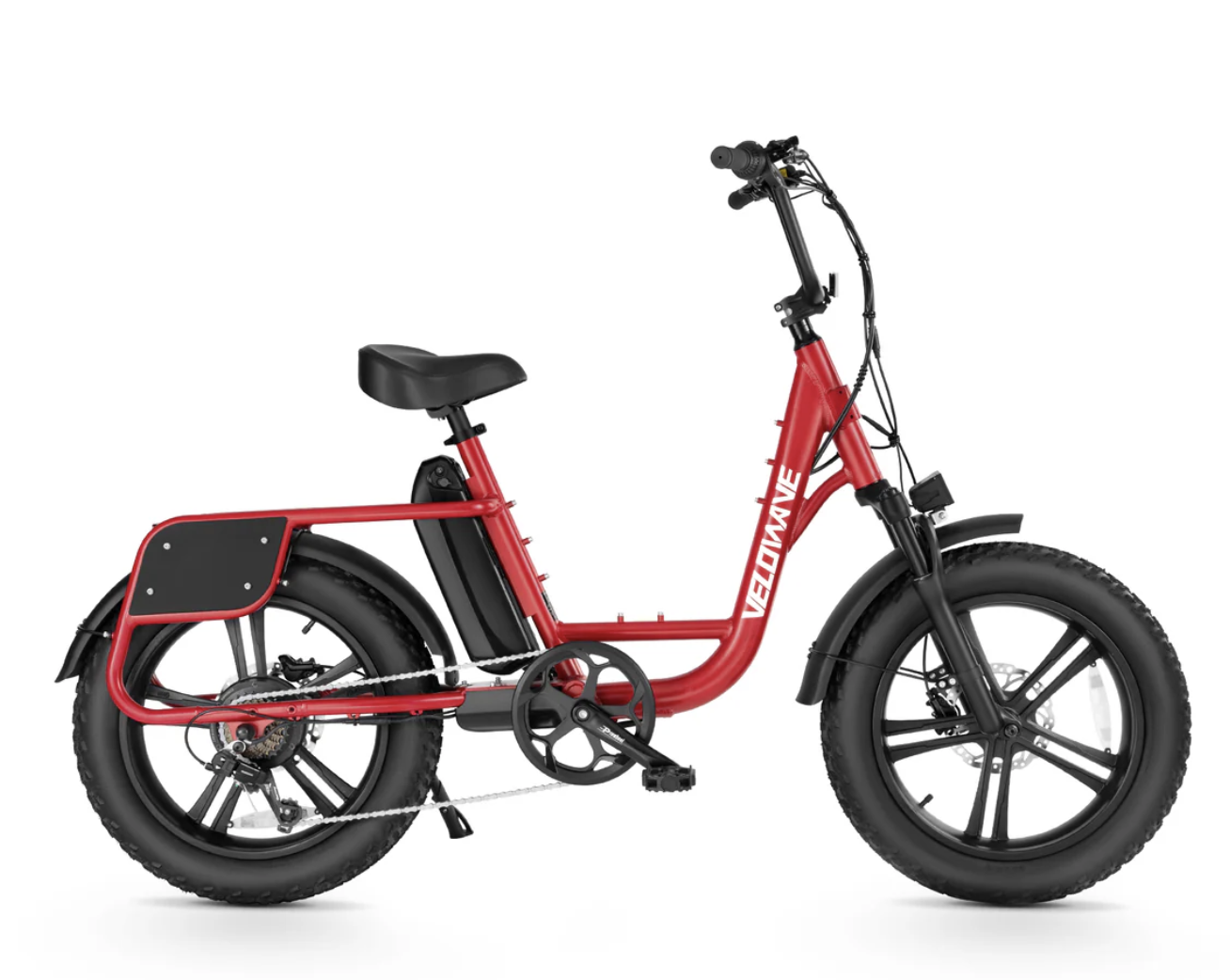
“Moped/Dirt Bike” Style

Motors larger than 750 W or capable of faster than 20 mph

“Commuter” Style

Motors larger than 750 W or capable of faster than 20 mph.

“Multi-mode” throttle devices, purporting to be Class 2 and Class 3, are not legal in California. See Vehicle Code 312.5(a)(ii) and (iii).
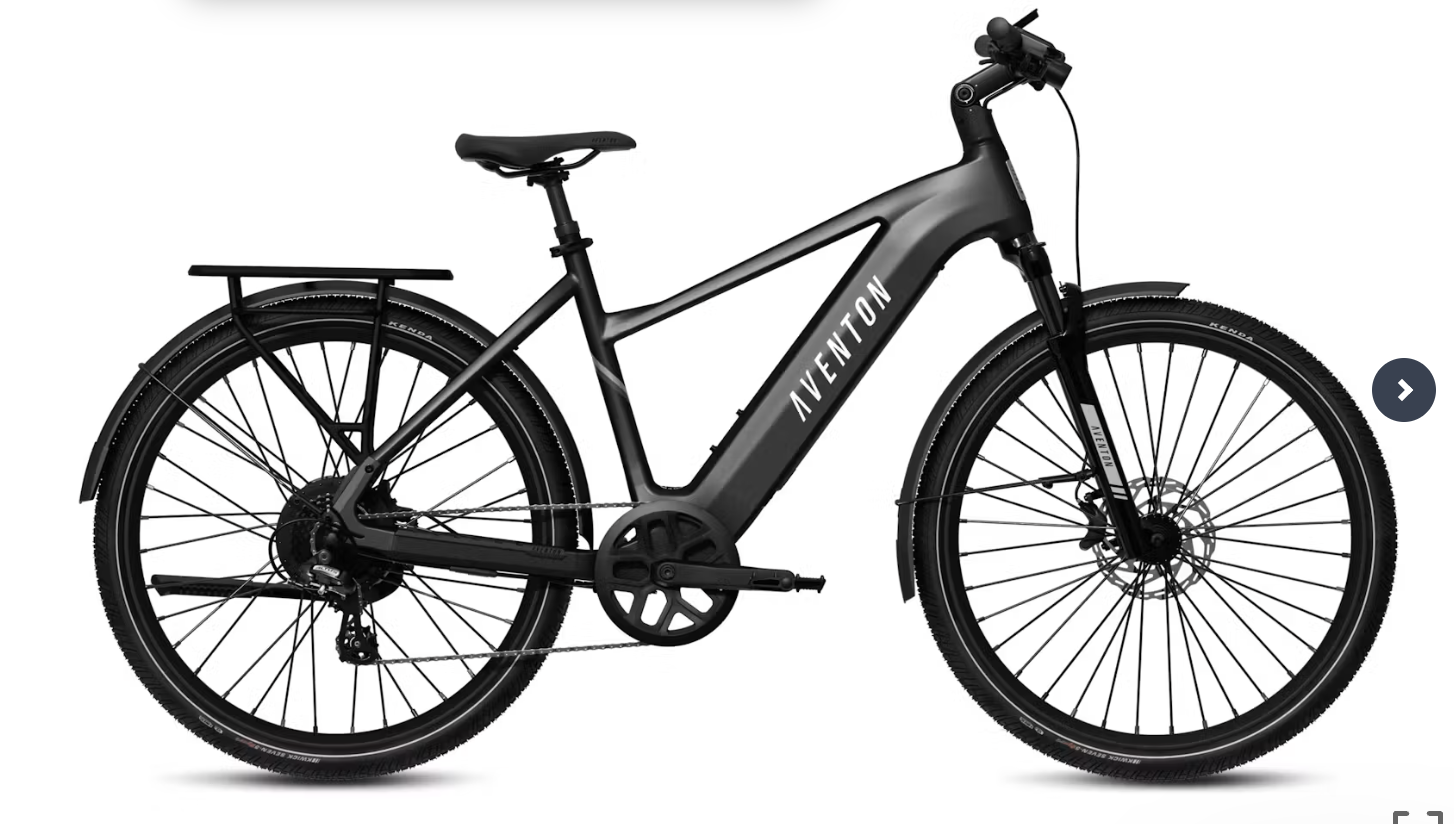
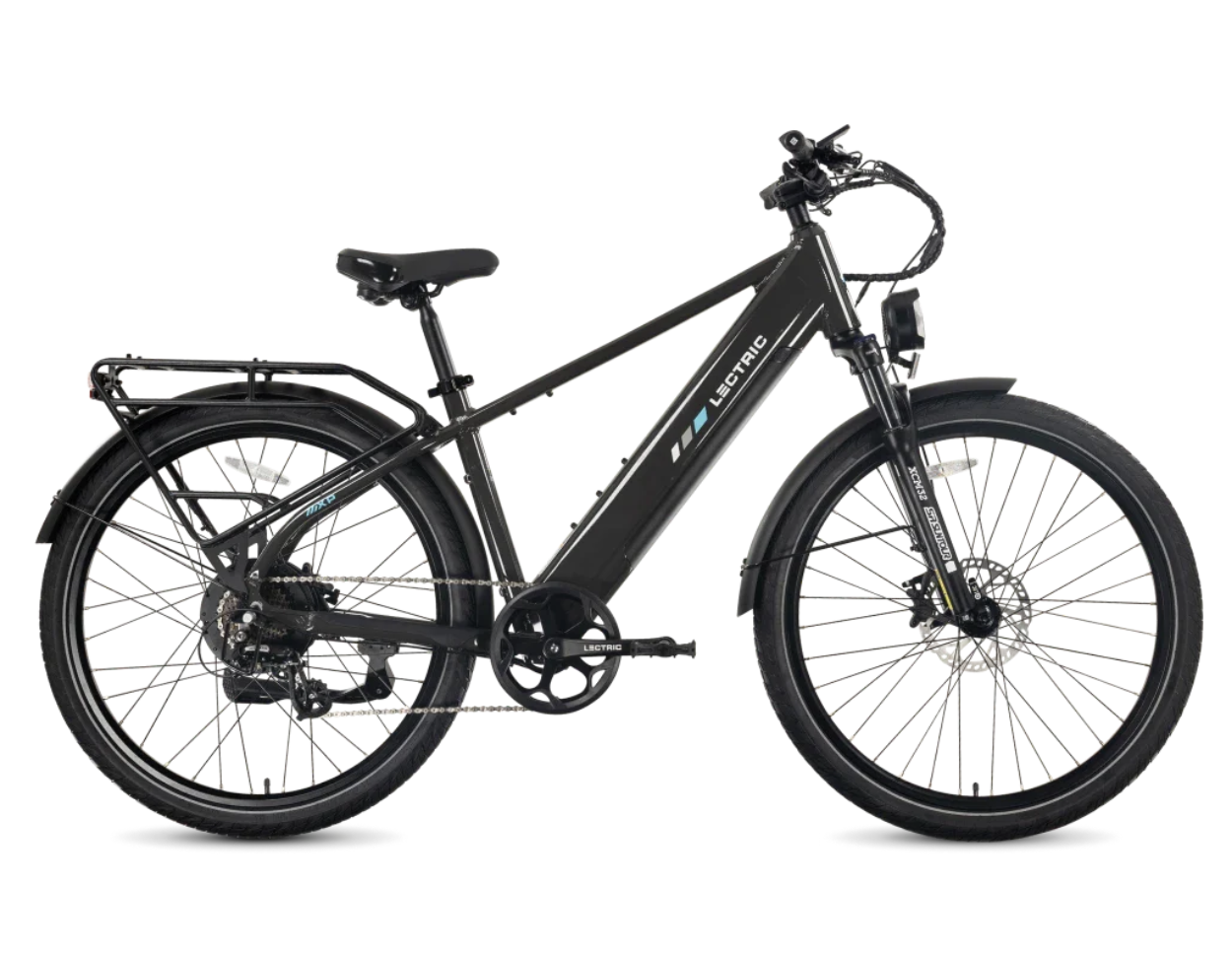
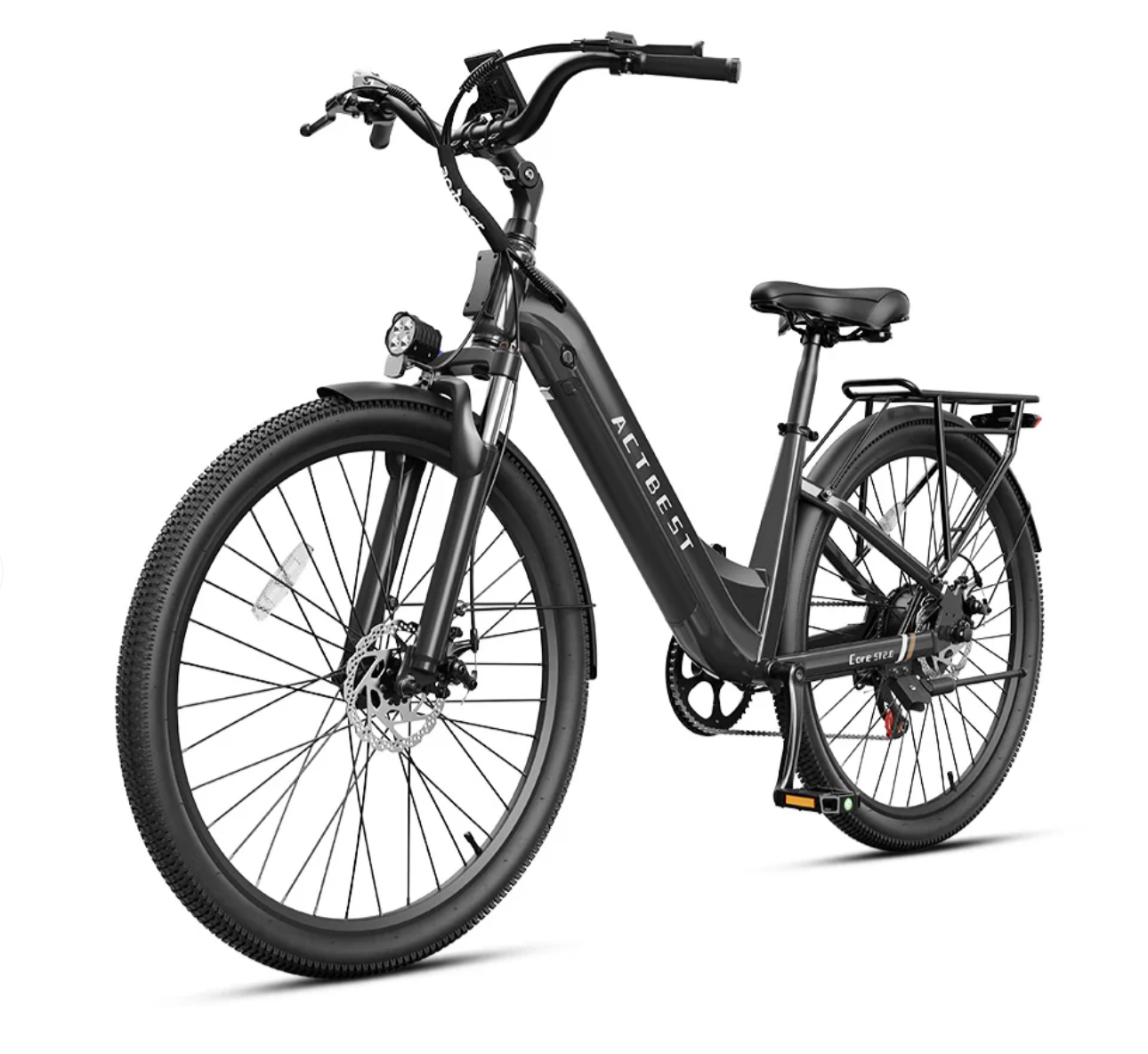
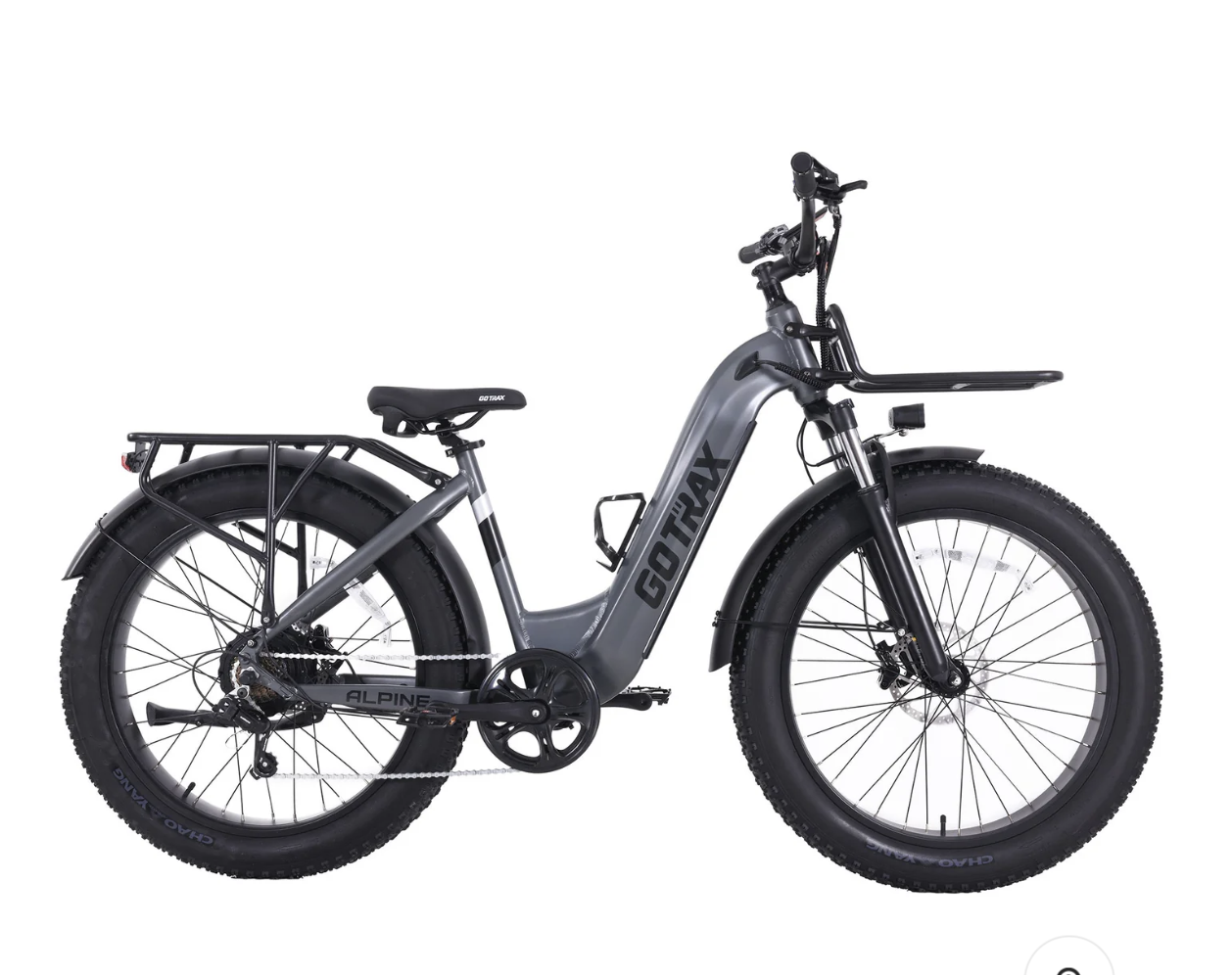
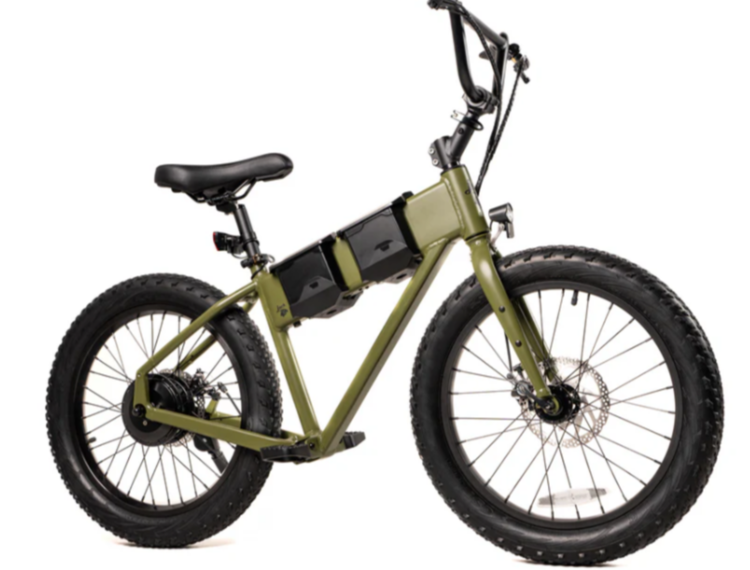
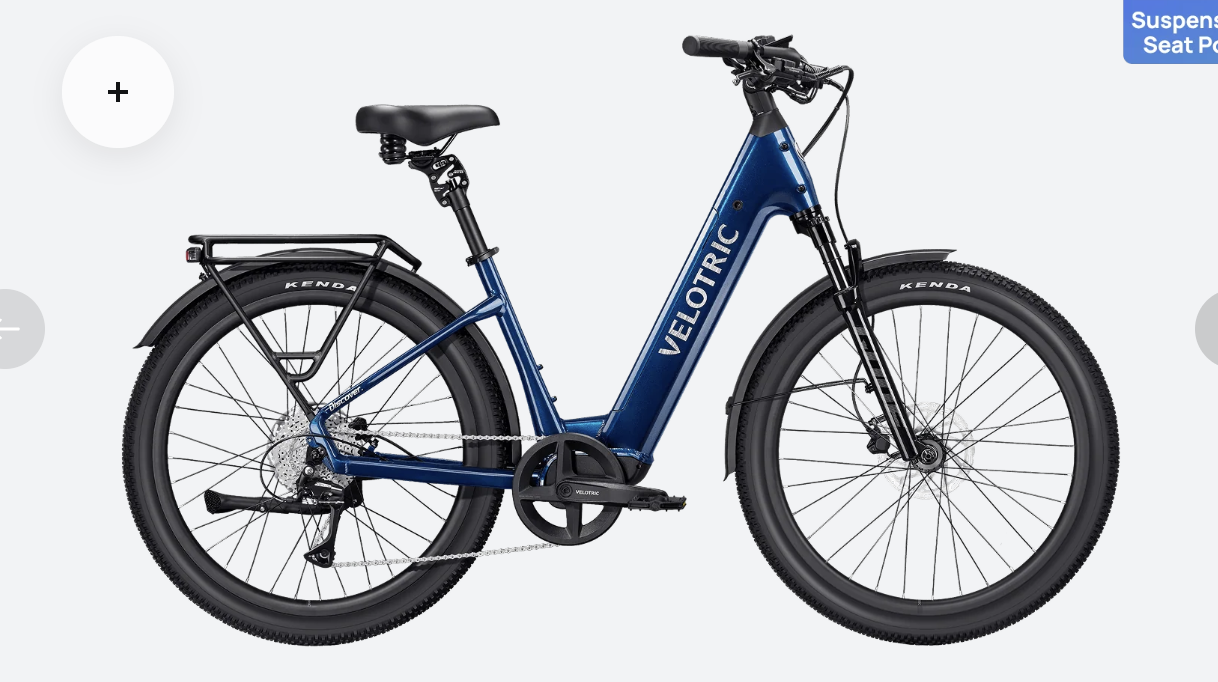
Legal E-Bikes

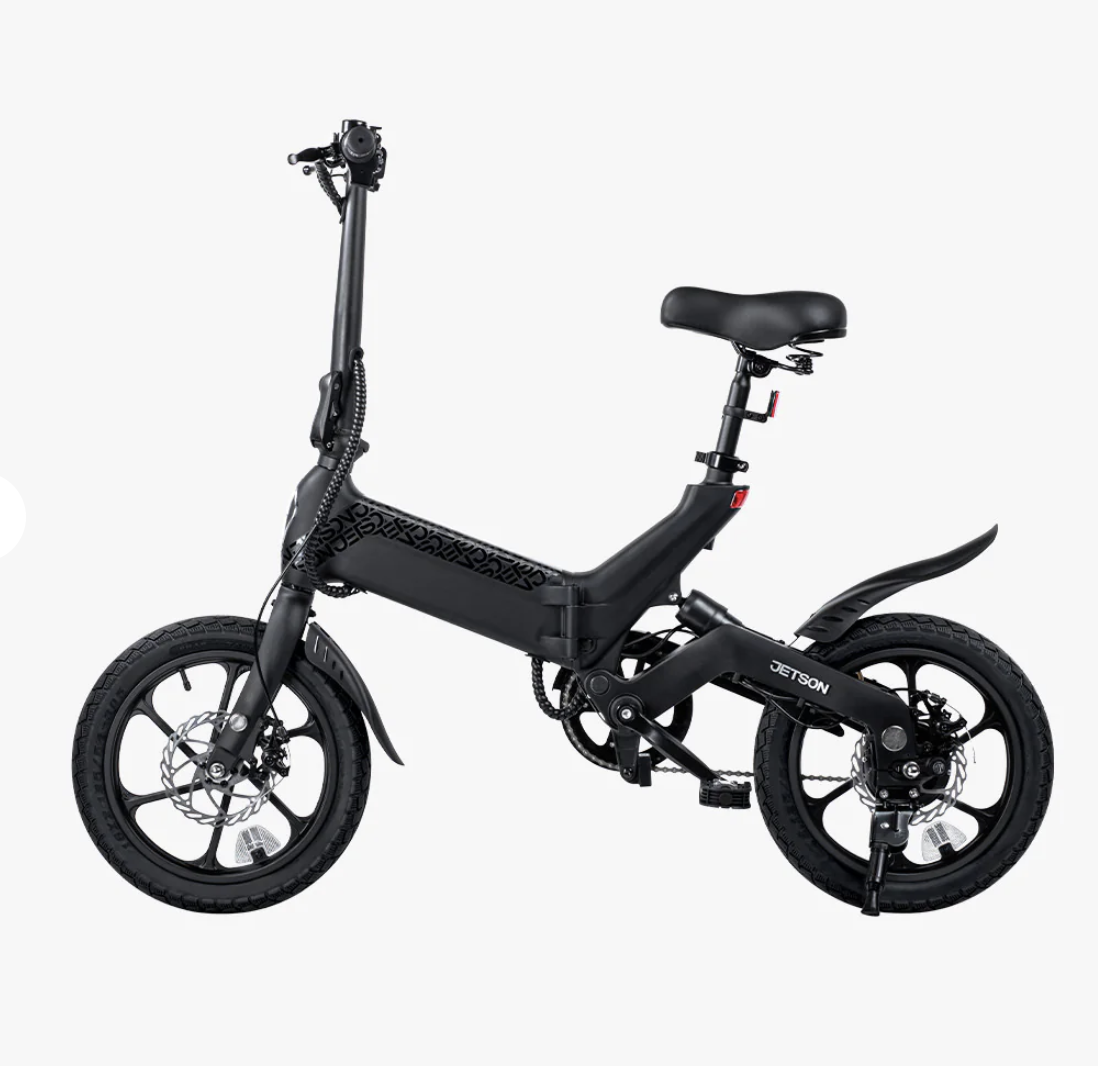
Most brands of throttle-activated electric motor two wheelers run afoul of the laws of California and most other states because (a) their motors are larger than 750 watts or capable of working above 20 mph, (b) they are modified by the riders to exceed those limits, and/or (c) they do not have a e-bike class label permanently affixed.  See Calif. Vehicle Code 312(a), (c) and (d).  Jetson is one of the few brands we have identified that appear to meet the requirements for Class 2 throttle e-bikes, although this should not be taken as a guarantee.
Quick Comparison
Our Methodology

Over the last two years, working with Safe Routes to Schools, we counted and identified the brands of throttle-activated, electric motor two-wheelers at schools in Marin, San Mateo, Santa Clara and Santa Clara counties. We also counted with Danville Safety Advocates at schools in Contra Costa county. Our work was reported widely including in the New York Times and the Mineta Transportation Institute report commissioned by the California State Legislature.

To determine if a two-wheeler was a legal Class 2 e-bike or an illegal e-moto, we first looked for the Class 2 e-bike label that is required by California law and the laws of most other states. That is a necessary but not sufficient element. It is insufficient because some e-moto manufacturers use Class 2 e-bike labels or riders obtain Class 2 labels from Amazon and elsewhere and put them on their e-motos. Accordingly, even for those with Class 2 e-bike labels, we next checked the manufacturers’ websites for their advertised top speeds.

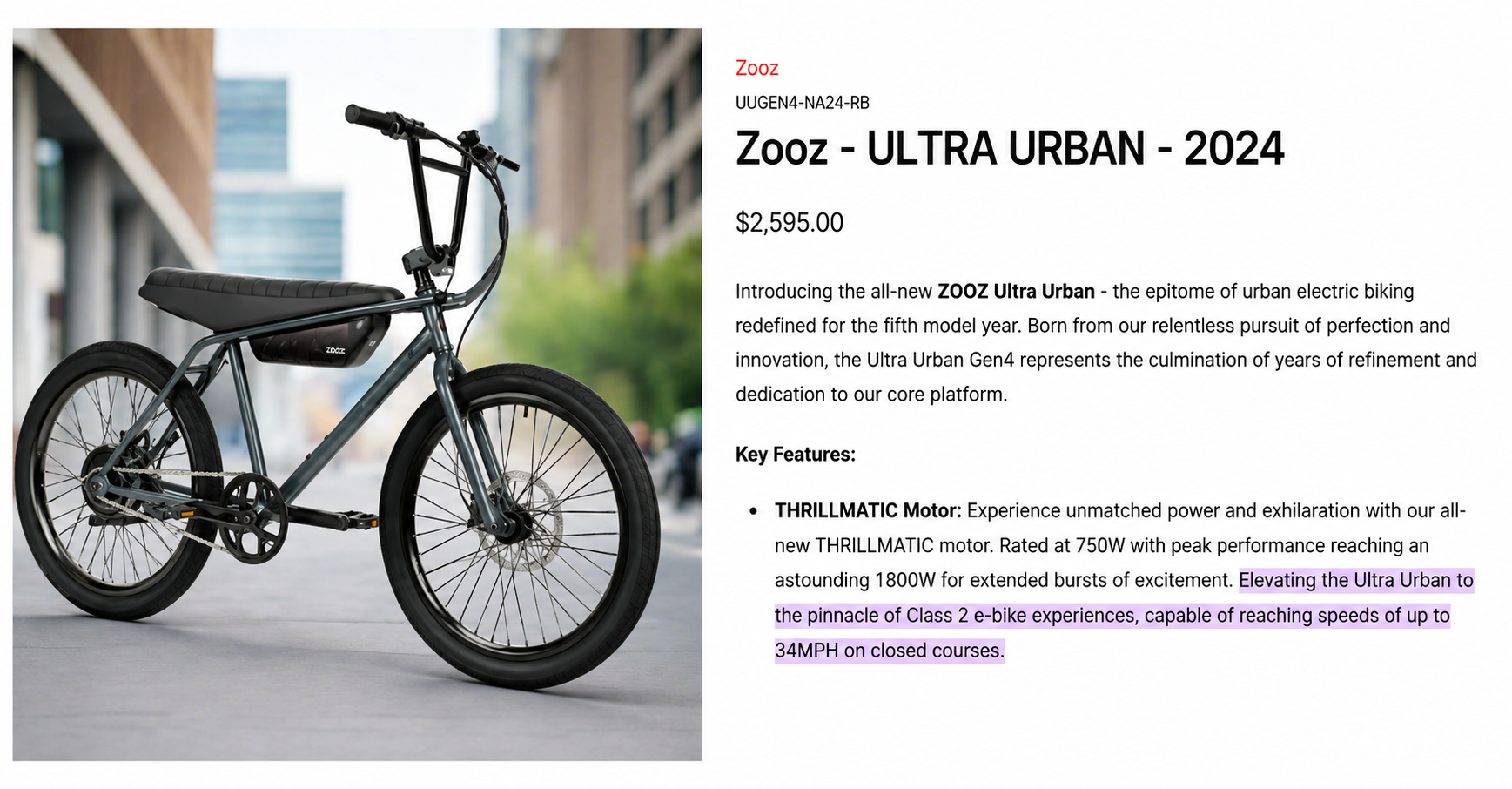
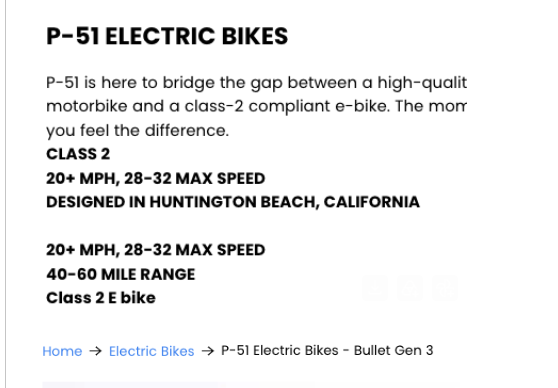
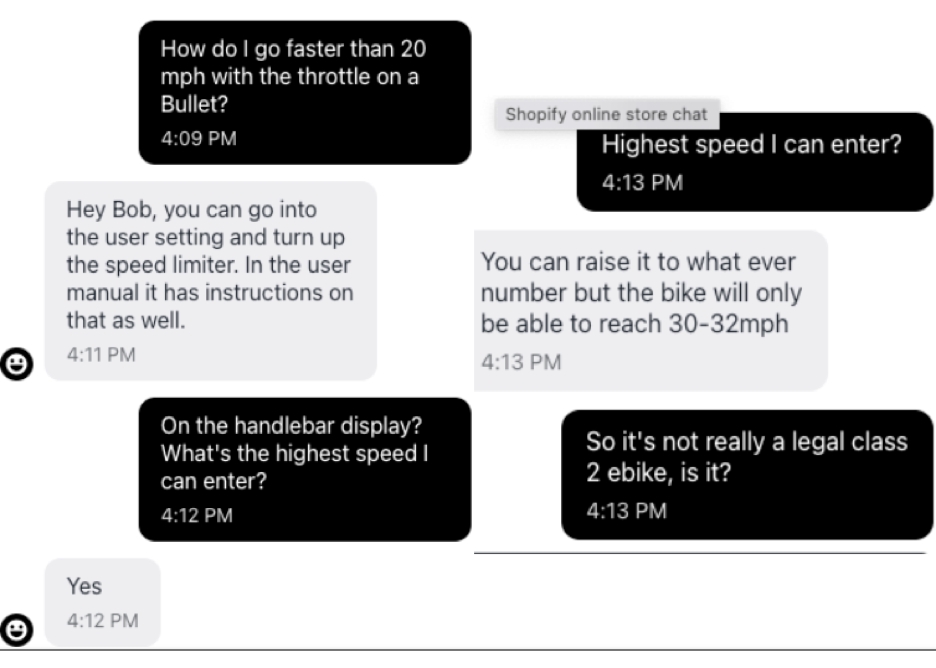
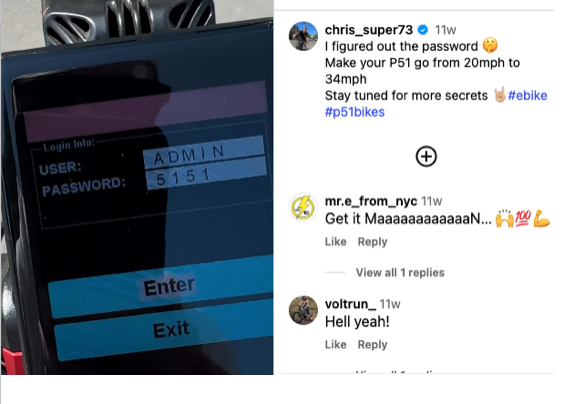
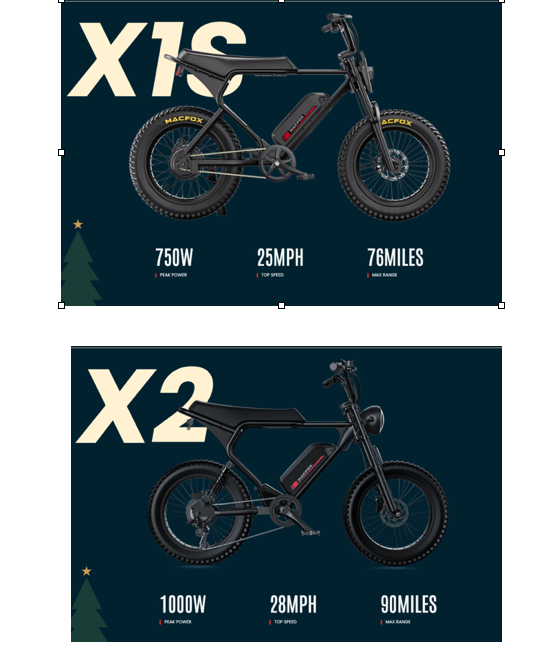
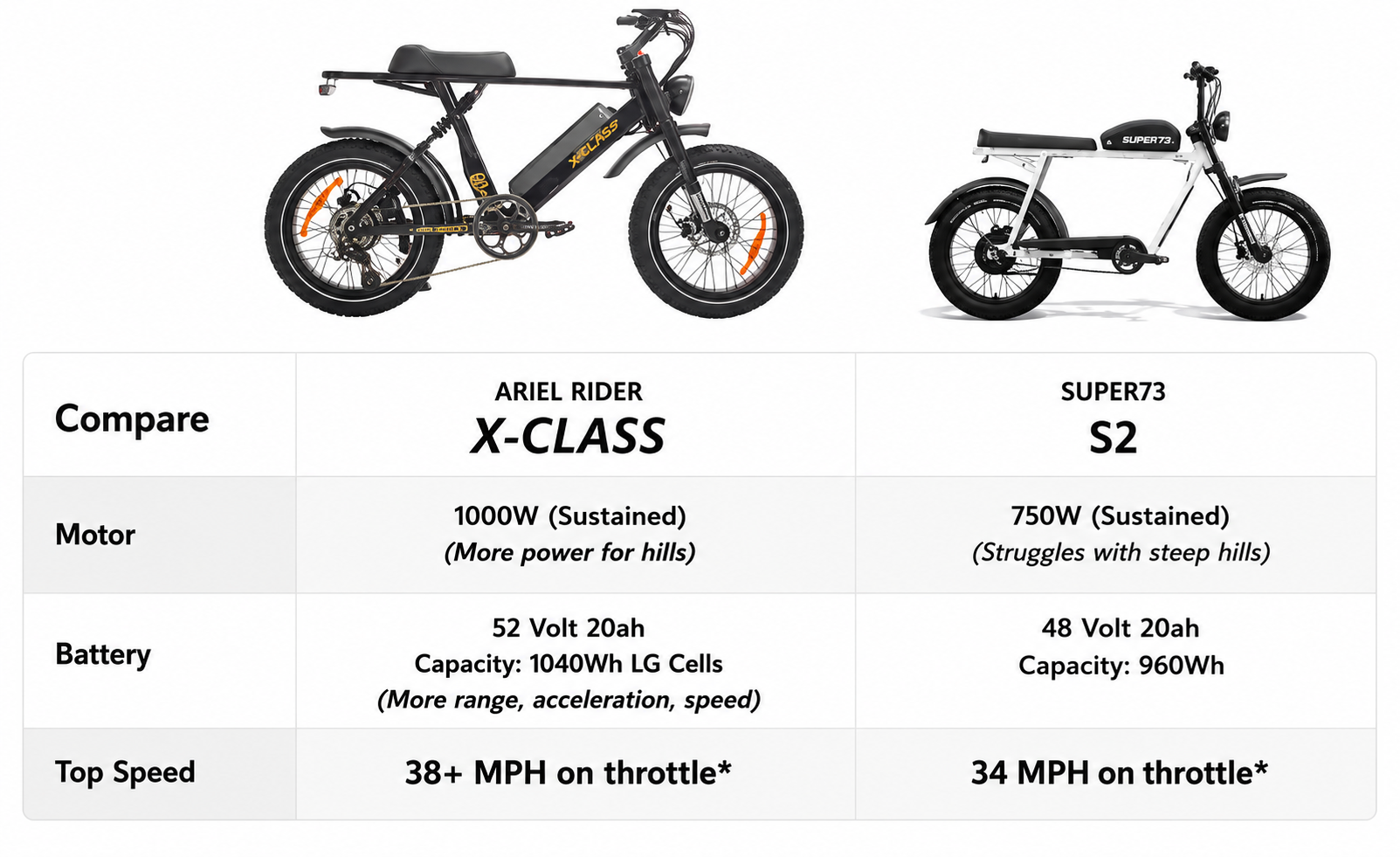
When we began this project in 2024, most manufacturers openly advertised top speeds above the 20 mph limit for Class 2 e-bikes without disclosing that those speeds disqualified the vehicle as an e-bike. Some customer support groups even instructed users on how to shift into faster modes. Macfox (28 mph), P51 (32 mph) and Zooz (34 mph) are examples as illustrated below. One brand even posted speed comparison charts to show that its vehicles were faster than a competitor’s (with both exceeding the Class 2 limit by more than 50%). This is an example from Ariel Rider’s website circa 2025 (top speeds of 38+ and 34 mph for Ariel Rider and Super73, respectively:

More recently, some manufacturers including Ariel Rider, Macfox, P-51 and Zooz stopped advertising top speeds on their websites. Evidently, they did not change the vehicles or lower the top speeds from previously advertised levels. We invite any company that has in fact limited its top speed to 20 mph without providing a method for “unlocking” higher speeds to provide evidence of that change, so we can revisit whether they belong on this list of e-motos.

Until 2025, the Super73 brand advertised top throttle speeds of “28+” for its fastest mode, originally called “unlimited,” for most of its models Effective 1/1/25, it announced that it was limiting its app to 20 mph but only for its apps downloaded and paired after that date (and evidently not for third party apps).

For various brands, the top speeds may differ from model to model.

In addition to using the “unlocking” or “mode shifting” methods provided by manufacturers and retailers, owners may have modified the vehicles by use of aftermarket motors, controllers or other components.

Pedals Do Not Convert an E-moto into an E-bike

Lots of police departments are using the wrong test and think that if a vehicle has pedals, it is automatically an e-bike, not an e-moto. Not so, as People for Bikes (the U.S. bike manufacturers trade association) explains:

Isn’t Anything With Pedals An Electric Bicycle? No. E-motos are often equipped with pedals from the manufacturer or have pedals added by consumers in an attempt to disguise the e-moto as an electric bicycle and “fly under the radar.” While operable pedals are required for a vehicle to be an electric bicycle, the mere presence of pedals on an overpowered or excessively fast e-moto does not make it a “legal” electric bicycle. Any vehicle with an electric motor in excess of 750 watts or that can travel over 20 miles per hour when powered only by the motor is not an electric bicycle, even if it has pedals and the manufacturer claims it is “street legal.”